
If you’ve read our prior blog post The Fire Triangle, you probably now know a bit more about Heat, Oxygen and Fuel.
That’s all well in theory but how does that work in practise? Well you can’t just grab a hefty chunk of firewood, put a match to it and expect it to ignite and keep burning. What you need to start the fire is tinder, kindling as well as the firewood or fuelwood itself.
Tinder
Tinder consists of dry, small materials like wood shavings, pencil shavings, dry grass, char cloth, sheep’s wool, paper, jute or another natural twine, bark, cardboard etc. It’s used to start a fire.
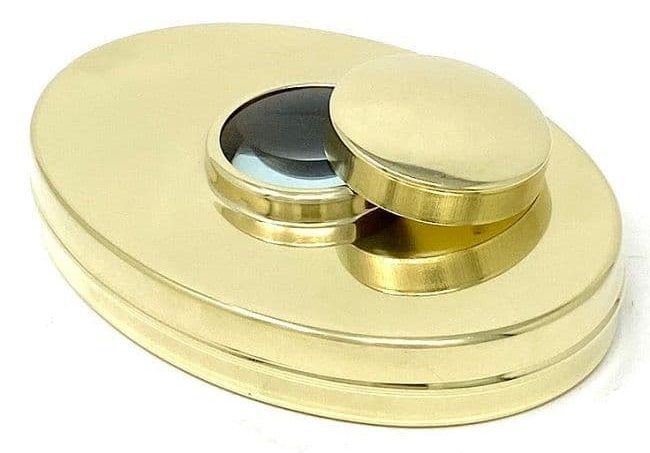
It’s a good idea to keep some of your own tinder in an old tobacco tin to ensure you have the right materials and your preferred materials to hand when trying to light a fire. With experience you’ll begin to find a fire-lighting method you prefer over others. A flint and a piece of high carbon steel (firesteel) to strike a spark which can catch on dry grass or charcloth and always feels quite elemental!
Kindling
Kindling refers to small twigs and sticks. After your tinder catches fire, you then use that tiny initial fire to ignite the kindling, which helps the fire to grow. If you don’t have small dry sticks, you can easily use a hatchet or knife to baton wood (split it lengthways) into much thinner pieces.
You’ll need to have a good supply of kindling to hand as once your tinder has taken you’ll quickly need a supply of wood to catch and sustain that fire. There’s nothing worse than running out of dry kindling after you’ve struggled to start a fire in damp conditions, whilst waiting for a hot drink! It’s good to have a range of sizes of tinder, start with the smallest stuff and then begin adding larger sticks and kindling.
Firewood
Firewood doesn’t have to be large logs. Sticks and branches roughly the size of your arm work perfectly for most campfires or the kinds of small open fires we have at MOP in the firecircle. Once the kindling is burning well, you can add the fuelwood gradually to keep the fire going.
Cutting firewood and kindling
It is said that “Wood heats you up three times”, firstly when you drop the trees, when you cut it up, and again when you burn it. When cutting firewood it’s a good idea to take a look at the logs, their size, any side growth or cross grain and the species of wood.
Depending on the size, duration and the type of fire or stove, what kind of size firewood do you need? If you want to boil a kettle, small sticks might work well in a stick stove or pellet stove. For an evening event you’ll want larger firewood, preferably a hardwood like ash, split from tree rounds into nice three sided wedges. For general use smaller branches no larger than the thickness of your forearm would probably suffice.
Splitting wood from tree rounds can be quite satisfying but remember that the smaller the wood, the faster it will burn. If you split a pile of tree rounds very small, a lot of that work will largely be for nothing if you are putting all that carefully split wood onto a largish fire.
If a piece of wood puts up a fight, buries the axe head into it and still wont split, chuck that piece back into the pile and pick a nice straight grained piece of wood for splitting into the smaller kindling and tinder.
In summary
Building a fire is more than just striking a match—it’s about understanding the roles of tinder, kindling, and firewood in sustaining that flame. By carefully selecting and preparing each material, you can ensure your fire will burn effectively and efficiently. Whether you’re lighting a quick stove or building a roaring open fire, knowing how to manage these three essentials will make your fire-starting experience smoother and more rewarding. So, next time you’re out in the wild or at MOP, remember: a little preparation goes a long way in keeping the warmth and light alive.
 Meadow Orchard Project
You must be logged in to post a comment.