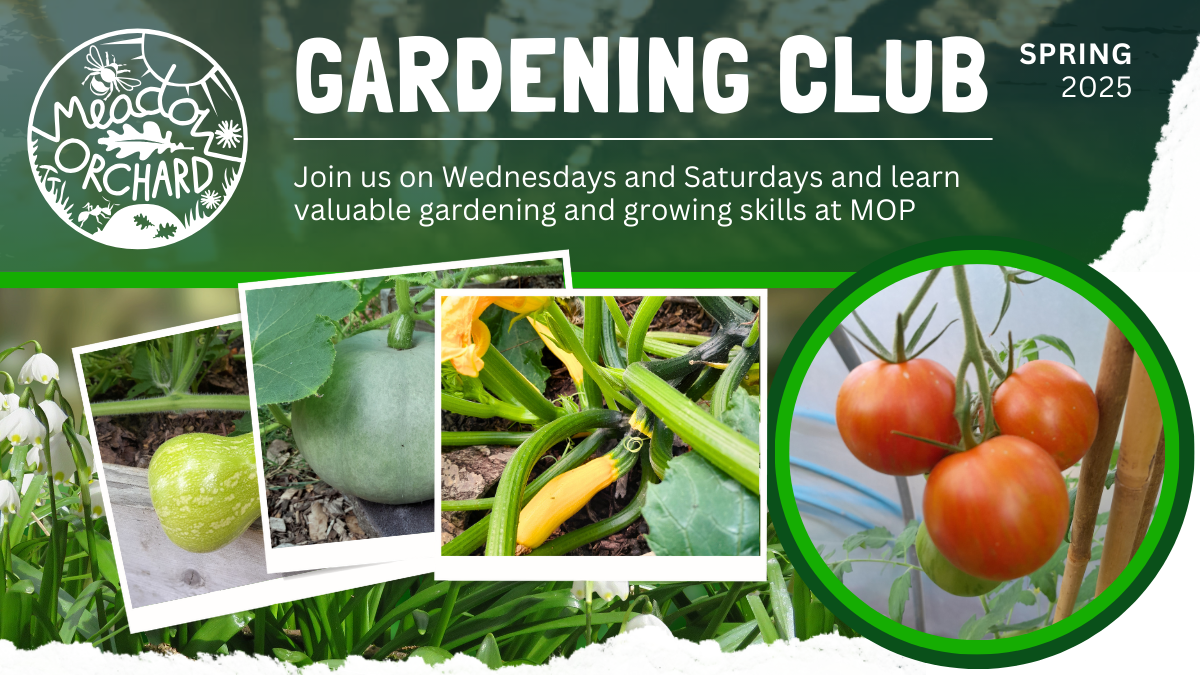
Companion planting – natures plant pals
Companion planting is a gardening technique that enhances plant health by working with nature. Helping to boosts yields, reducing pest damage by strategically growing beneficial plants together. Some plants attract pollinators, while others deter harmful insects. Providing ground cover to protect soils, suppress weeds, and improve soil fertility.
Deep-rooted plants like comfrey and dandelion bring up essential nutrients from deep in the subsoil, while legumes like beans and peas enrich the soil by fixing nitrogen. Herbs such as lavender, rosemary, and garlic naturally repel pests. Overall, companion planting creates a balanced ecosystem, leading to a healthier and more productive garden.


By incorporating these companion plants into your garden, you’ll help create a balanced ecosystem that enhances plant health, reduces pests, and attracts beneficial insects—all while producing a thriving and beautiful landscape.
Comfrey – With its vibrant blue flowers, comfrey is a magnet for pollinators. It grows rapidly, suppressing weeds while its deep-reaching roots pull up essential minerals from the subsoil—nutrients that other plants can’t access. It’s also an excellent natural fertilizer; comfrey can be cut up to four times per season and used as a nutrient-rich mulch.
Dandelion – Known for their deep taproot, dandelions extract valuable minerals from below the surface, making them available to surrounding plants. Since they bloom early in the season, they provide a crucial nectar source for pollinators, helping to ensure good fruit crop for plums, peaches and early-flowering apple and pear trees.
Marigold – These cheerful flowers not only attract pollinators, the scent of marigolds helps deter some pests, promoting healthier plants and trees. Additionally, they support the growth of beneficial mycorrhizal fungi. Regular deadheading keeps them blooming all summer, and if allowed to go to seed, they’ll self seed and return year after year.
Nasturtium – These colorful, trailing flowers release a unique chemical into the soil, which is absorbed by trees and alters their scent, repelling pests. Nasturtiums are particularly effective at deterring codling moths, a common threat to apple and pear trees.
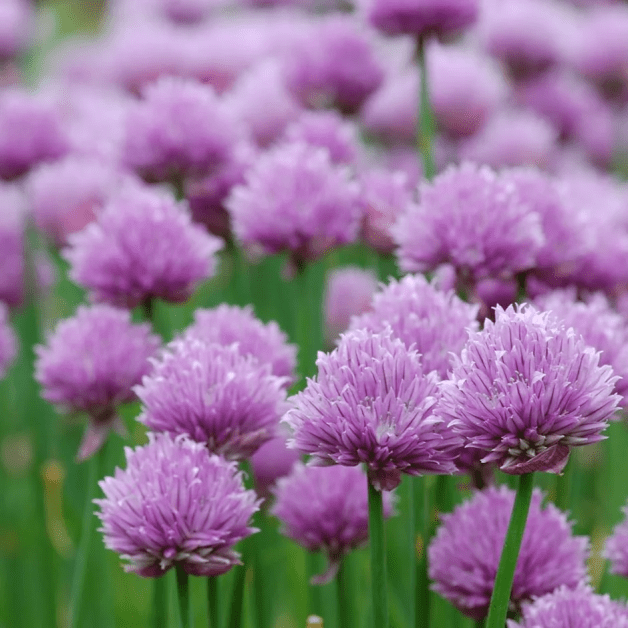
Chives – As part of the allium family, chives are strong smelling are excellent at deterring aphids and other pests. Once in bloom, they become a haven for pollinators. Other members of the allium family, such as onions and leeks, provide similar benefits.
Dill – A member of the carrot family, dill helps attracts parasitic wasps, which help keep insect populations in check. It also deters cabbage white butterflies and readily reseeds itself, making it a great long-term addition to any garden.
Rosemary – The strong scent helps repels aphids, while its early-season flowers provide an important food source for pollinators.
Stinging Nettles – Nettles are a powerhouse companion plant. They attract beneficial insects like bees, butterflies, and ladybirds. Providing habitat whilst also enriching the soil with magnesium, iron, calcium, and silica. Plants growing nearby gain improved resistance to aphids and fungal diseases, resulting in stronger, healthier growth.
Foxglove – Foxglove flowers help boost tree health by protecting against diseases and fungal infections. Their deep roots release iron into the soil, benefiting neighbouring plants. Caution is needed, as foxglove is toxic to humans and animals due to its digitalis content.
Beans & Peas – As members of the legume family, these plants form a symbiotic relationship with nitrogen-fixing bacteria in the soil. This process enriches the surrounding area, promoting strong, healthy growth in neighboring plants.
Lavender – This beautiful smelling herb serves helps attract pollinators while also repelling unwanted pests. Hoverflies, which are attracted to lavender, lay eggs that hatch into aphid-eating larvae, offering natural pest control.
Why You Should Join Us
By participating in our Gardening club, you’ll not only gain practical skills but also become part of a vibrant community of gardeners who are passionate about sustainability and learning. You’ll meet new friends, exchange gardening tips, and, of course, have a lot of fun while doing it!
No experience is necessary – just bring your curiosity, enthusiasm, and willingness to get your hands dirty! Our Gardening Club is a wonderful space for learning, exploring new techniques, sharing ideas and growing in more ways than one. So, whether you’re an experienced gardener or just starting, come on down on Wednesday or Saturday from 12:30 PM to 4:00 pm and join us for an afternoon of growth, learning, and community.
We can’t wait to grow with you!
Sign-Up
Simply sign up by using the email link below and join us at one of our upcoming Wednesday or Saturday gardening workshops!
Join our Garden Club WhatsApp

 Meadow Orchard Project
You must be logged in to post a comment.