
Sowing Nasturtiums
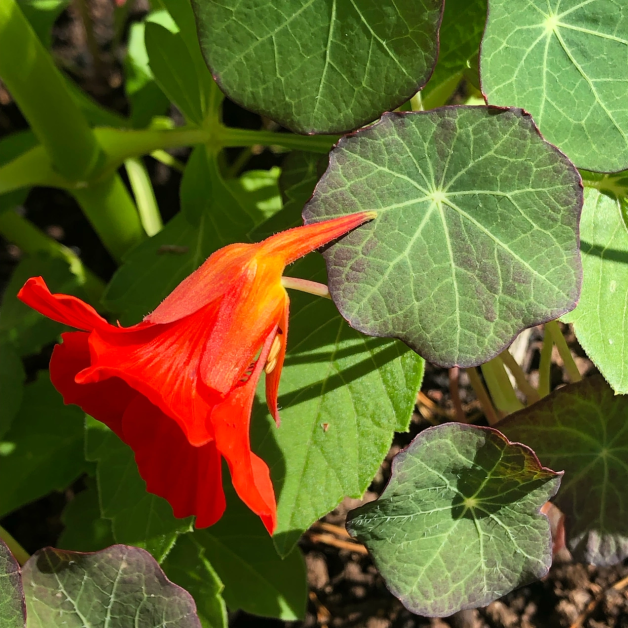
We’ve got hundreds of nasturtium seeds for our Gardening Club volunteers to sow this year! Not only are nasturtiums really beautiful with their distinctive cadmiuim yellow and orange flowers. They are also super easy to grow, they are also brilliant for polinators and ladybirds. As if it couldn’t get any better, did we mention that you can eat the flowers, the leaves and the even the seeds too?
Look at those colours!
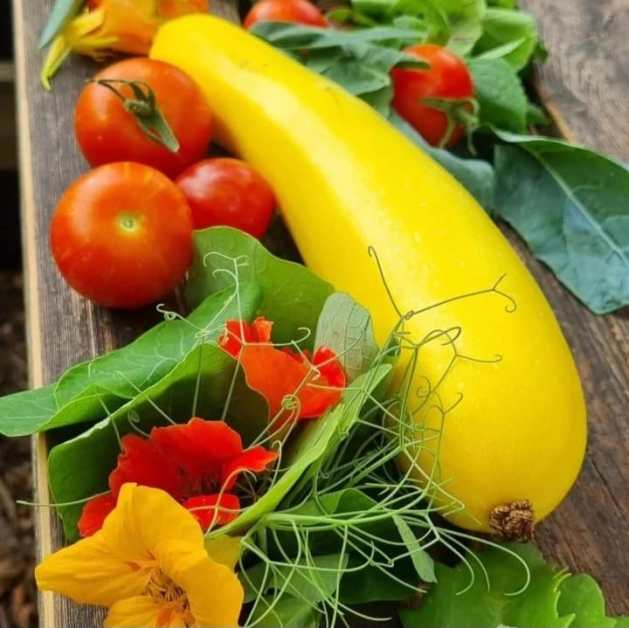
We can’t wait for the harvest, preparing leafy salads with yellow courgettes, stripey ‘Tigerella’ and golden cherry tomatoes still warm from the sun, a few mixed leaves, assorted herbs and a lovely garnish of blue borage flowers and red, orange and yellow nasturtium flowers. YUM!
Nasturtiums are beautiful, easy-to-grow plants that thrive in sunny spots and produce vibrant flowers. Here’s a guide to growing them:
1. Choose the Right Location
- Sunlight: Nasturtiums prefer full sun but can tolerate partial shade.
- Soil: They thrive in well-draining soil. They’re not very fussy about soil fertility, which makes them great for less-than-perfect garden spots.
2. Planting Nasturtiums
- From Seed: You can plant seeds directly in the ground after the last frost, or start them indoors 4-6 weeks before the last frost.
- Spacing: Plant seeds about 12mm deep and about 300mm apart.
- Transplanting: If you start them indoors, harden them off in our polytunnel before transplanting them outside.
3. Watering
- Nasturtiums are drought-tolerant, but they still need regular watering when young. Avoid over-watering, as they don’t like sitting in damp soil.
- Once established, they can withstand dry conditions but will perform better with occasional watering.
4. Care During Growth
- Pruning: If growing vining nasturtiums, pinch back the tips of the vines to encourage bushier growth.
- Pests: Nasturtiums attract aphids and and blackfly, helping to keep them off other crops, they also attract ladybirds and provide great forage for bees.
5. Harvesting
- Flowers: You can harvest the edible flowers to decorate salads, cakes, and other dishes. They have a hot, peppery flavour.
- Leaves: The leaves are also edible and can be used in salads or as garnishes.
- Seeds: Seeds can be dried and ground in a coffee grinder and provide a hot zingy, pepperlike seasoning!
6. Winter Care
- In the UK, nasturtiums are grown as annuals. However, they will self seed as the copious flowers will lead to lots of seeds!
Why You Should Join Us


This is an ideal opportunity for anyone looking to get more involved in gardening and learn valuable hands-on skills. Whether you want to grow your own food, reduce your environmental impact, or just enjoy spending time outdoors, our club is welcoming to all levels of experience.
By participating in our club, you’ll not only gain practical skills but also become part of a vibrant community of gardeners who are passionate about sustainability and learning. You’ll meet new friends, exchange gardening tips, and, of course, have a lot of fun while doing it!
No experience is necessary – just bring your curiosity, enthusiasm, and willingness to get your hands dirty! Our Gardening Club is a wonderful space for learning, exploring new techniques, sharing ideas and growing in more ways than one. So, whether you’re an experienced gardener or just starting, come on down on Wednesday or Saturday from 12:30 PM to 4:00 pm and join us for an afternoon of growth, learning, and community.
We can’t wait to grow with you!
Sign-Up
Simply sign up by using the email link below and join us at one of our upcoming Wednesday or Saturday gardening workshops!
Join our Garden Club WhatsApp

 Meadow Orchard Project
You must be logged in to post a comment.