
Succulents are easy plants to grow, storing water in their leaves or stems means they are easy to look after. They can actually thrive on neglect and irregular watering. Propagation is a simple and rewarding process. In this page we’ll explore some methods for propagating succulent plants and some mistakes to avoid.
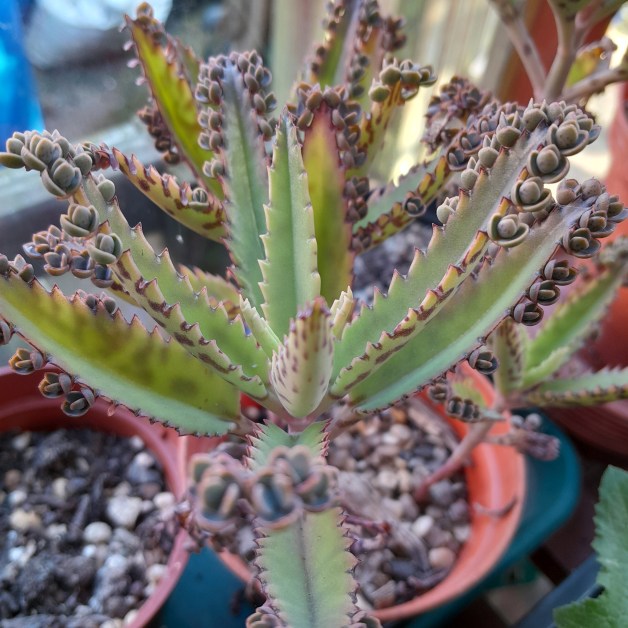
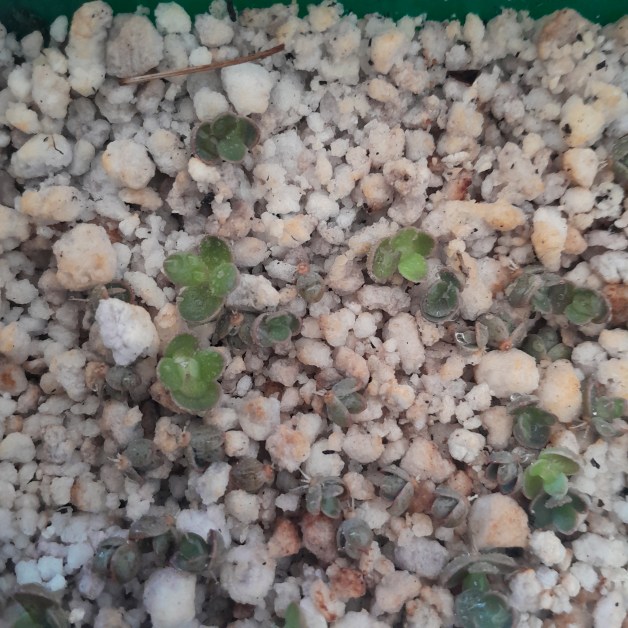
At Meadow Orchard we have hardy succulents growing outdoors, propagating these plants is ideal for using them for planting areas such as green walls and greenroofs. Sedums provide a good display of flower and they are ideal for growing in places where over plants will not thrive. Especially in the shallow substrate on green roofs, garden bin stores etc. Learn how to grow these unique and beautiful plants at our garden.
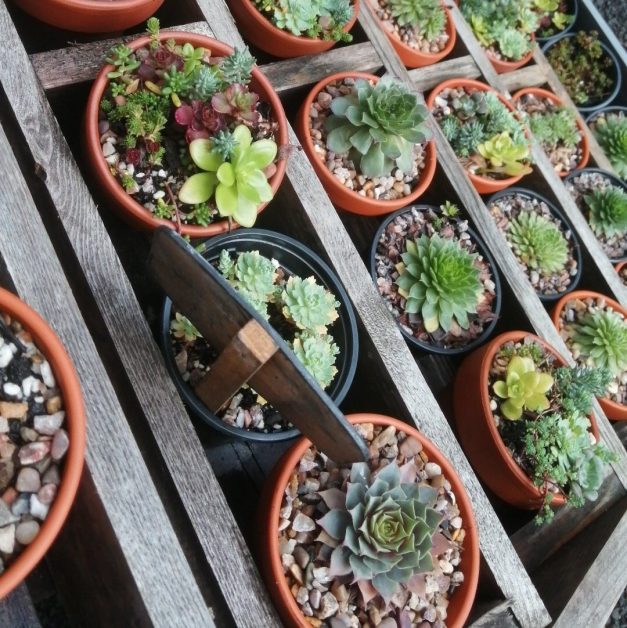
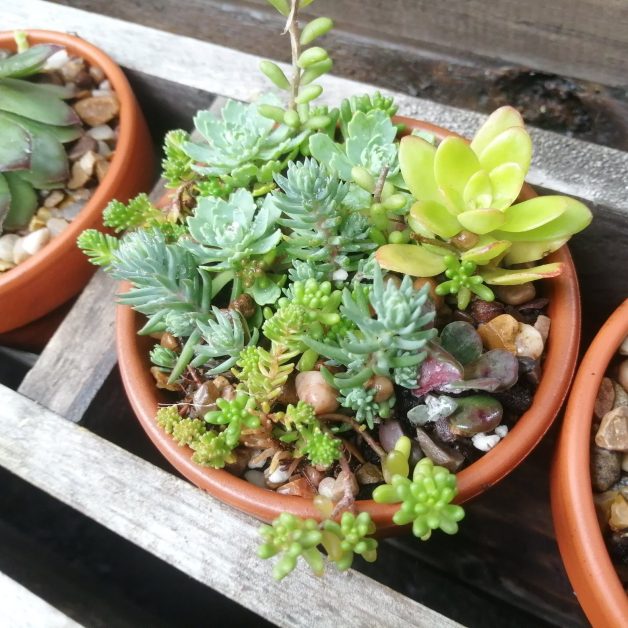
Methods of Propagation
Succulents can be propagated in several ways, depending on the species and your preference. The most common methods include:
1. Leaf Propagation
Many succulents, such as Echeveria can be propagated using individual leaves.
Steps:
- Gently twist a healthy leaf from the mother plant, ensuring it comes off cleanly with no damage to the base.
- Let the leaf dry for a few days in a warm, shaded area to allow the cut end to callous over.
- Place the leaf on top of well-draining soil and mist lightly every few days.
- Within a few weeks, tiny roots and baby succulents will begin to emerge.
2. Stem Cuttings
This method works well for succulents like Aeoniums and Crassulas that grow in clusters or rosettes.
Steps:
- Use clean, sharp scissors to cut a stem from the plant.
- Allow the cutting to dry for a few days so the cut end forms a callous.
- Plant the stem in a well-draining succulent mix and water lightly.
- New roots will develop in a few weeks, leading to new growth.
3. Offsets or Pups
Some succulents, such as Aloe Vera, produce small plantlets known as offsets or pups.
Steps:
- Gently separate the plant from the parent plant using a clean knife or by hand.
- Allow it to dry for a day or two before planting it in soil.
- Water sparingly until the new plant establishes itself.
Common Mistakes to Avoid
- Overwatering: Succulents store water in their leaves and stems, so excessive watering can lead to rot.
- Skipping the callousing step: Failing to let cuttings dry before planting can cause them to rot.
- Using the wrong soil: Regular potting soil holds too much moisture; always use a well-draining compost mix.
- Lack of sunlight: Succulents need bright, indirect sunlight to thrive. Too little light can cause them to elongate as they reach for light and weaken.
Tips for Success
- Propagate during the growing season (spring and summer) for faster results.
- Be patient—some succulents take weeks or even months to develop strong roots and new growth.
Propagation is an easy and fun way to multiply your succulent collection. With a little care and patience, you’ll have thriving new plants to enjoy or share with your fellow plant lovers!
 Meadow Orchard Project
You must be logged in to post a comment.