
- Transition Town Crouch End & Finsbury Park
- Date & Time
- A shared vision
- Want to get more involved in local green initiatives?
- What is Transition Towns?
Transition Town Crouch End & Finsbury Park
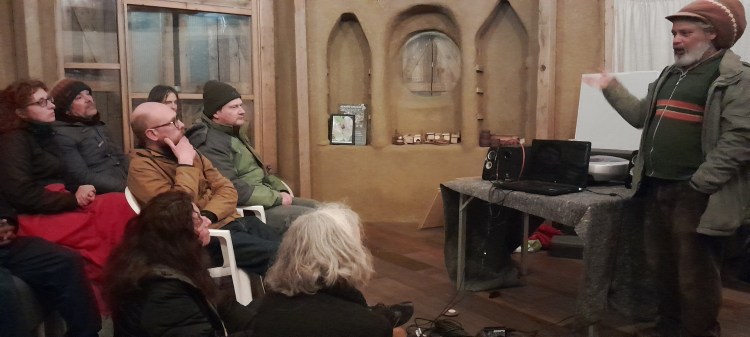
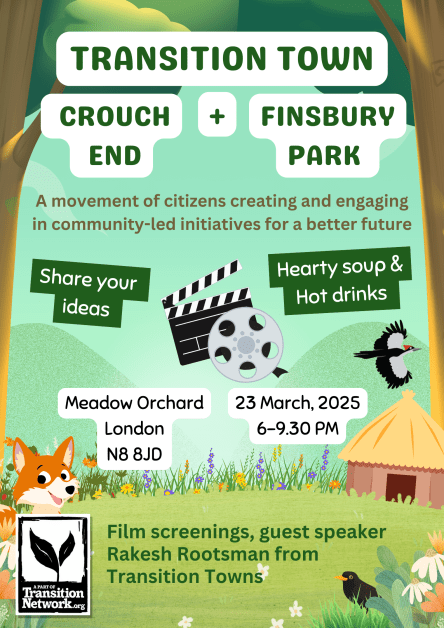
Our volunteers, along with our friends at Edible Landscapes London and Wolves Lane are helping to relaunch Transition Town Crouch End and Finsbury Park! Come along to find out more! We’ll be sharing a hot soup, please feel free to bring food. Hear an intro, and chat about what we want to build together.
Film screenings from the Transitions Town network and guest speaker Rakesh Rootsman.
Date & Time
Date: Sunday 23rd March ’25
Time: 6.00 – 9.30pm
Location: Roundhouse
Meadow Orchard Project
151 Park Road, London, N8 8JD
A shared vision
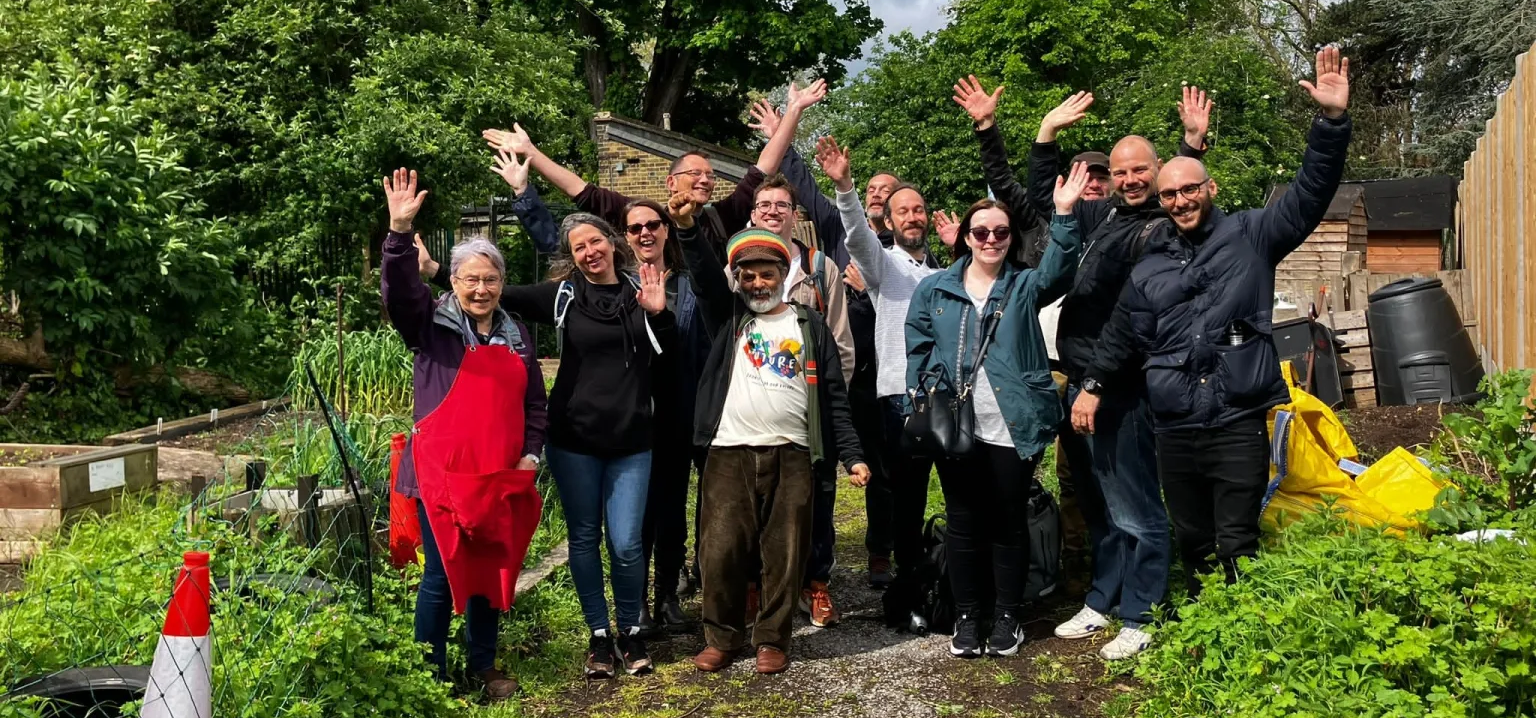
Meadow Orchard Community Garden very much shares a vision aligned with the values of the Transition Town movement: creating a sustainable, community-driven space for connection, nature, and food production.
Joining the relaunch of the Crouch End Transition Town group has introduced us to a wider network of like-minded individuals, inspiring and supporting our efforts. We’re excited to help build a vibrant, diverse space that fosters collaboration, growth, and resilience within our community.
Want to get more involved in local green initiatives?
Want to support or implement practical projects around food, energy, waste, transport and nature in our community?
Want to help address social injustices and decolonise our lives?
Want to be part of a growing international movement of connected local communities creating change?
What is Transition Towns?
The Transition Towns Network is a global movement. It focuses on creating sustainable, resilient communities. These communities can effectively address the challenges posed by climate change, peak oil, and economic instability. The initiative began in 2006 in Totnes, a town in Devon in the UK. It has since spread to numerous towns, cities, and villages worldwide.

The core idea of the Transition Towns Network is to empower local communities to take action to reduce their dependence on fossil fuels. It aims to foster local economies and promote renewable energy. Additionally, it encourages more sustainable lifestyles. This involves a range of activities, such as:
- Building local food systems (e.g., community gardens, local food markets)
- Supporting local businesses and economies
- Increasing energy efficiency and renewable energy adoption
- Fostering stronger community ties
- Encouraging sustainable transport options
The Transition model is based on the principle of bottom-up action. Communities take the lead in determining their own paths toward sustainability. It’s a response to the idea that governments and large corporations may struggle to fully address the urgent challenges of climate change. They also face difficulty tackling resource depletion on their own. The network builds resilience at the local level. It aims to create more self-sufficient and adaptable communities. These communities are better equipped to navigate future uncertainties.
The Transition Towns Network encourages collaboration and sharing knowledge. It creates a sense of hope and agency in communities. Focusing on solutions, making small changes at a local level rather than focusing solely on the problems posed by climate change and environmental degradation.
 Meadow Orchard Project
You must be logged in to post a comment.