- Our Garden Plans
- Easy Raised Beds
- What is a Straw Bale Raised Bed Garden?
- Benefits of Straw Bale Raised Bed Gardens
- How to Create a Straw Bale Raised Bed Garden
- Conclusion
Our Garden Plans
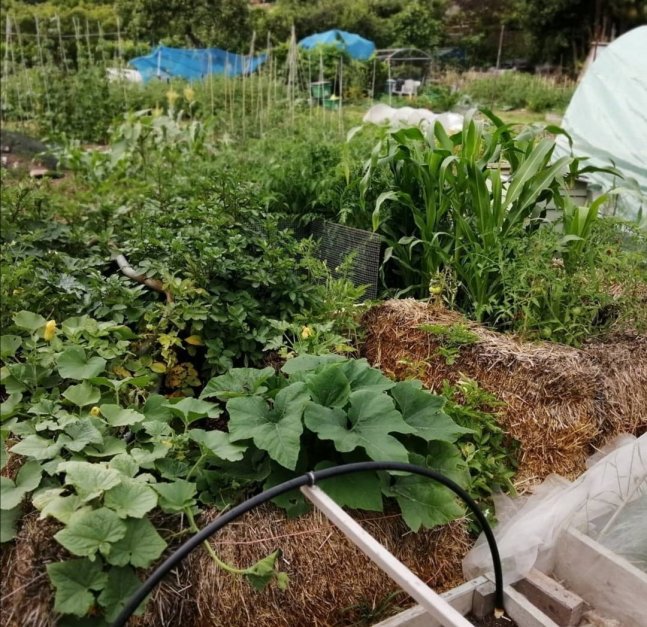
As we develop our Kitchen Garden area of Meadow Orchard we are integrating a number of different methods of growing. Our next plan is to build a straw bale raised bed. A fantastic method of growing and building an easy and low cost raised bed!
Easy Raised Beds
Gardening is an incredibly rewarding hobby that allows you to grow fresh food, improve your environment, and connect with nature. But it can be challenging, especially for beginners or those with limited space. Traditional gardening methods often require significant soil preparation, regular maintenance, and ample space for planting. That’s where straw bale raised bed gardens come into play!
Straw bale gardening is a sustainable and innovative approach that uses straw bales as the foundation for growing plants. Not only does it simplify gardening, but it also improves soil conditions, reduces water usage, and offers a more accessible way for anyone to start their garden. Let’s dive into the benefits and the steps to create your very own straw bale raised bed garden.
What is a Straw Bale Raised Bed Garden?
A straw bale raised bed garden is a type of garden bed built using straw bales as the structure. These bales are used as a medium for planting rather than traditional soil. They provide a natural and eco-friendly solution to gardening, especially in areas with poor soil conditions or limited space. The bales are placed in a way that allows gardeners to plant directly into the bales, making the garden easier to manage and maintain.
Benefits of Straw Bale Raised Bed Gardens
- Easy to Set Up and Low Maintenance
One of the biggest benefits of straw bale gardening is how easy it is to set up. The straw bales serve as the raised bed structure, so there’s no need to build a complicated frame or dig into the earth. The bales break down over time, enriching the soil beneath them as they decompose. The low-maintenance nature of straw bale gardens is perfect for people with limited time or beginners looking for a hassle-free gardening solution. - Improved Drainage
Straw bales offer excellent drainage, which is essential for preventing waterlogged roots and promoting healthy plant growth. They allow excess water to escape, while still retaining enough moisture for plants to thrive. This makes them ideal for gardeners in regions with heavy rainfall or those who struggle with soggy soil. - No Need for Invasive Weeding
Since you’re growing plants directly in the straw, weeding becomes much less of an issue. The bales naturally inhibit the growth of weeds by blocking sunlight, which means you’ll spend less time pulling out unwanted plants. - Environmentally Friendly
Straw is a renewable resource, making it an eco-friendly choice for gardening. It’s biodegradable and can be composted after its use, making it a great option for sustainable gardening. Additionally, using straw bales reduces the need to disturb natural soil, which can help maintain local ecosystems and prevent erosion. - Accessible for People with Limited Mobility
Raised beds in general are great for people with limited mobility or those who experience back pain from bending over. Straw bale gardens eliminate the need to kneel or bend while gardening because the bales can be stacked to a height that’s comfortable for planting and harvesting.
How to Create a Straw Bale Raised Bed Garden
Setting up a straw bale raised bed garden is a simple and enjoyable process. Here’s a step-by-step guide to get you started:
Step 1: Choose the Right Location
Pick a sunny spot that gets at least 6 hours of sunlight per day. Straw bale gardens work best in areas with good light, as most vegetables and flowers require full sun to thrive. Ensure the ground underneath is level and well-drained.
Step 2: Select High-Quality Straw Bales
Not all straw is created equal. When selecting straw bales, make sure to choose clean, dry straw that is free of mold and chemicals. Avoid hay bales, as they contain seeds that can lead to unwanted weeds. Straw bales are usually available from farm stores or garden centers.
Step 3: Arrange Your Bales
Arrange the straw bales in a grid or rectangular pattern, depending on the size and shape of the space you have. For a more traditional raised bed shape, align the bales in a square or rectangular layout with the cut sides facing up. This ensures that the straws will decompose evenly.
Step 4: Condition the Bales
Before planting, you’ll need to “condition” the bales to make them fertile. This involves moistening the bales and adding a nitrogen source (such as organic fertilizer or compost) to kickstart the decomposition process. Water the bales for a few days, keeping them consistently moist but not soggy. After a week or two, you’ll notice the bales softening, and they’ll be ready for planting.
Step 5: Plant Your Garden
Once your bales are conditioned, it’s time to plant! You can plant directly into the straw by creating small holes and adding some compost or potting mix into each planting hole. Then, place your seeds or seedlings in the holes. Straw bale gardens work well with vegetables like tomatoes, cucumbers, peppers, herbs, and leafy greens, but you can grow almost anything that suits your climate.
Step 6: Maintain Your Garden
Care for your straw bale garden like any other raised bed. Water regularly, especially during hot weather, and monitor for pests. Since the straw bales decompose over time, you may need to add fresh compost or organic matter each season to keep the soil healthy.
Step 7: Harvest and Enjoy!
After several months, you’ll be able to harvest the fruits of your labor! Straw bale gardens make for bountiful harvests and are easy to maintain. As the bales break down, they create nutrient-rich soil, making it easier to grow more plants each season.
Conclusion
Straw bale raised bed gardens are a fantastic option for sustainable, low-maintenance gardening. Whether you’re new to gardening or have green fingers, straw bale gardening offers an easy way to grow healthy plants without the hassle of traditional soil preparation. Not only are they easy to set up, but they also improve water retention, reduce weeding, and are environmentally friendly. So, why not give it a try this season? Your garden – and your back – will thank you!
 Meadow Orchard Project
You must be logged in to post a comment.