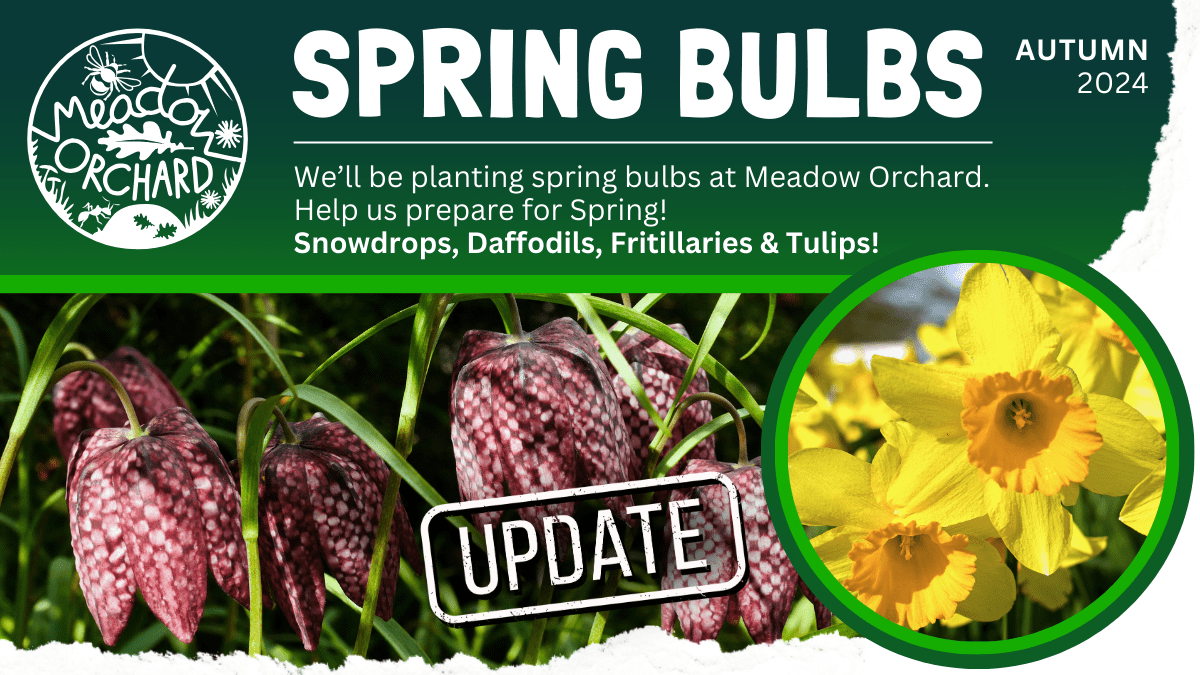
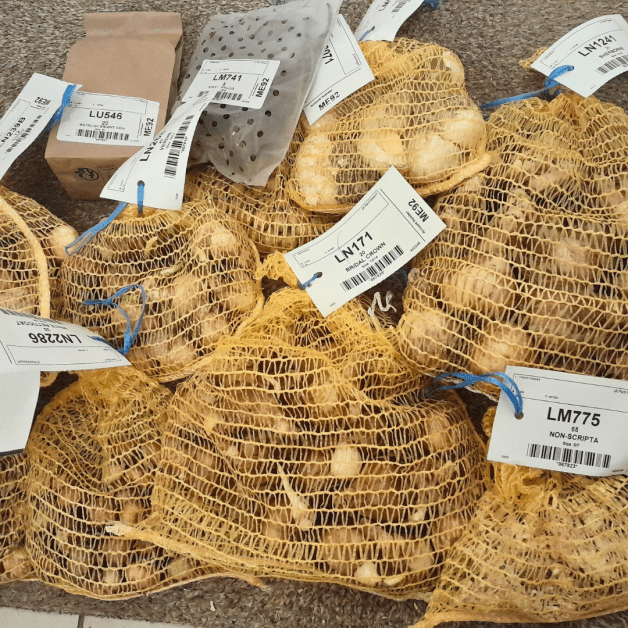
Over the last couple of years we’ve signed up to receive free bulbs from the Haringey Parks Department, we’ve also signed up to receive bulbs from MPGA (Metropolitan Parks and Gardens Association) through their Bulbs for London Programme in association with Taylors Bulbs. We also supplemented these with another 160 native Bluebell and Fritillary bulbs.


Our volunteers planted the bulbs over the Autumn and Winter. We had to use a cordless power drill to break up the tennis court surfacing, which was quite a task! We also added around one thousand litres of our home made compost to build topsoil, re-green and generate the site.

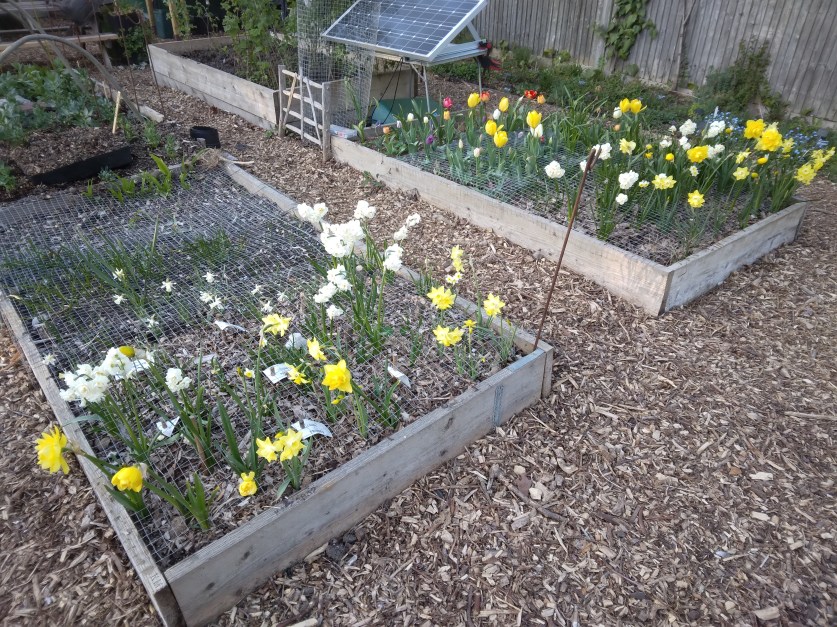


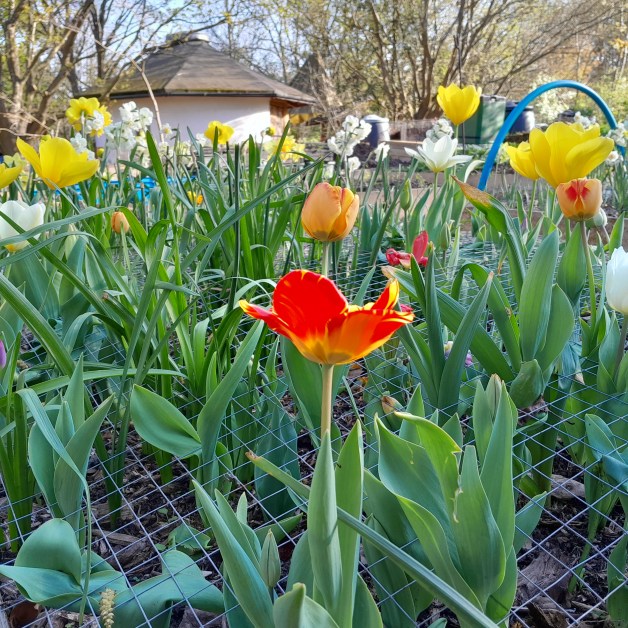
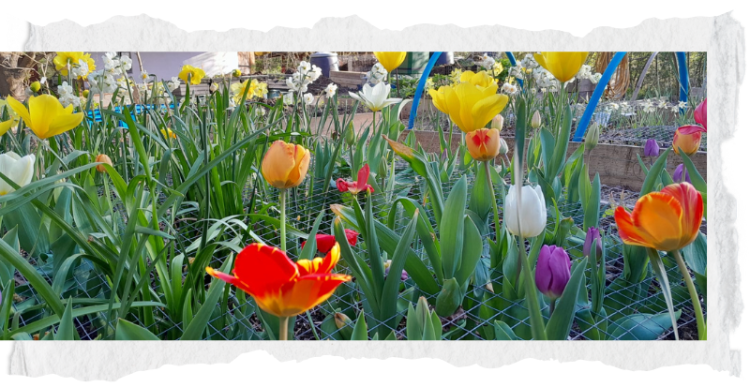
Our hard work is really paying off and the daffodils have brought so much colour, delighting our volunteers and visitors. We’ve now got a spectacular display of colour from our tulips, and Fritillaries which look magnificent in the spring sunshine. We also had a lovely succession from our early Snowdrops and Camassia.
Bulbs are always a welcome addition to a garden space, bringing the first flowers of the year. We were super excited by the quality, size, selection and quantity of bulbs received and will certainly be planting more this autumn!
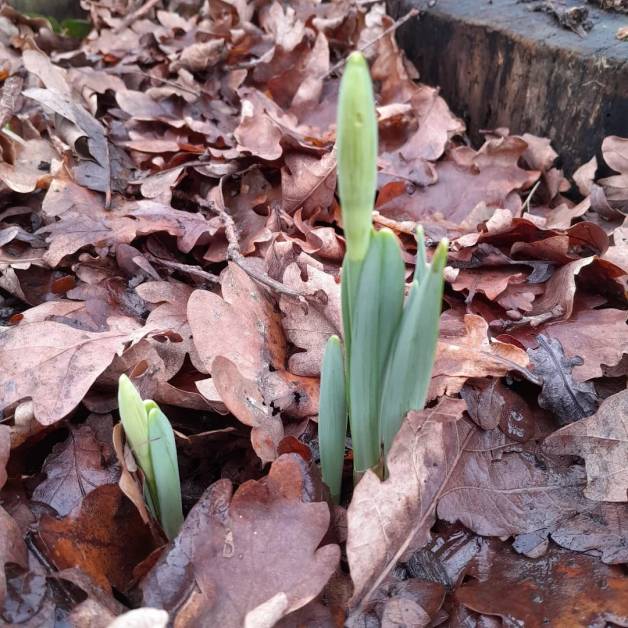
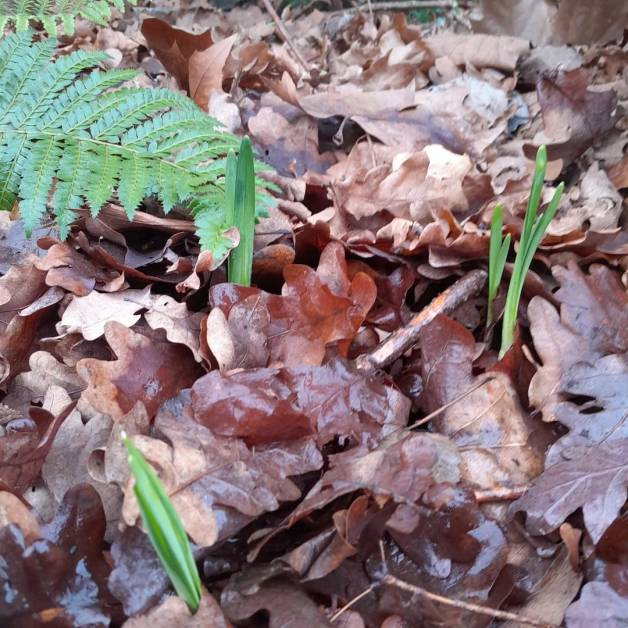
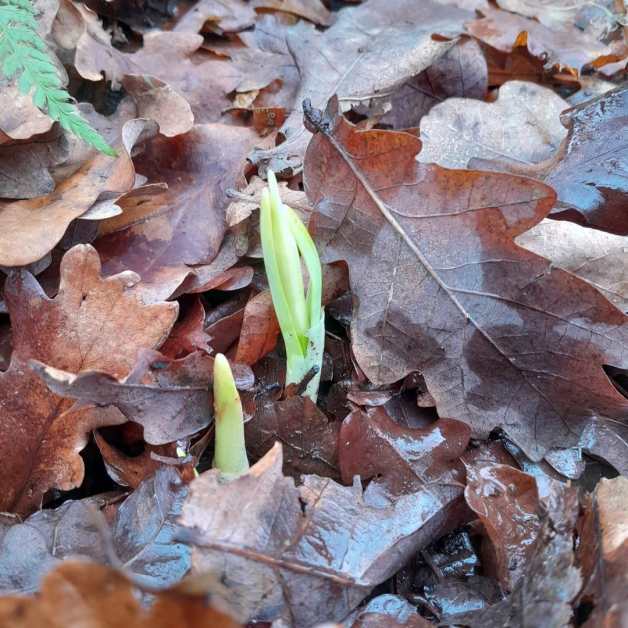


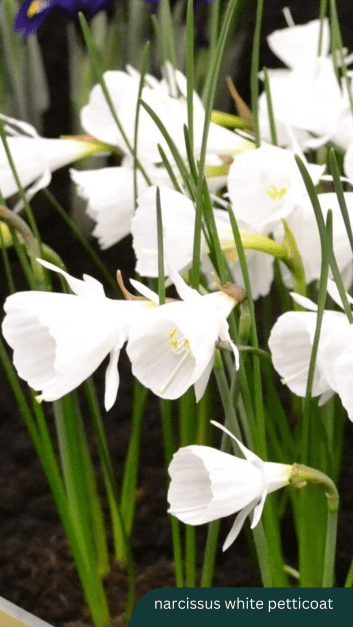
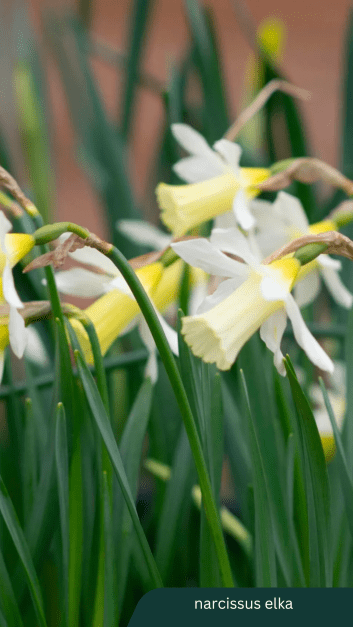


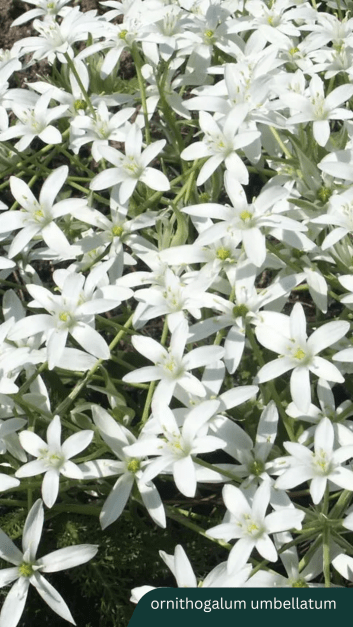


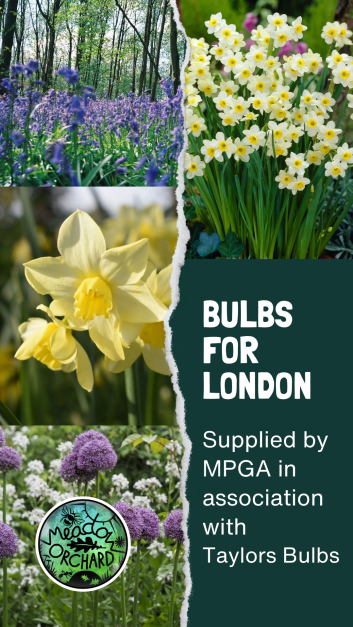
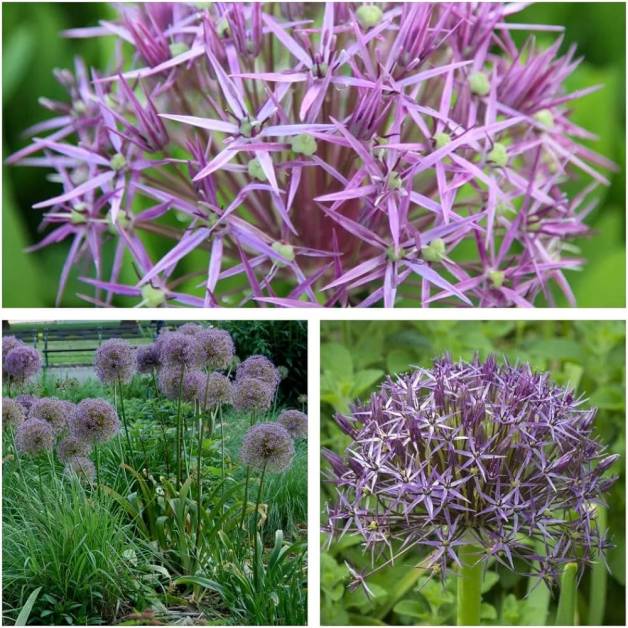

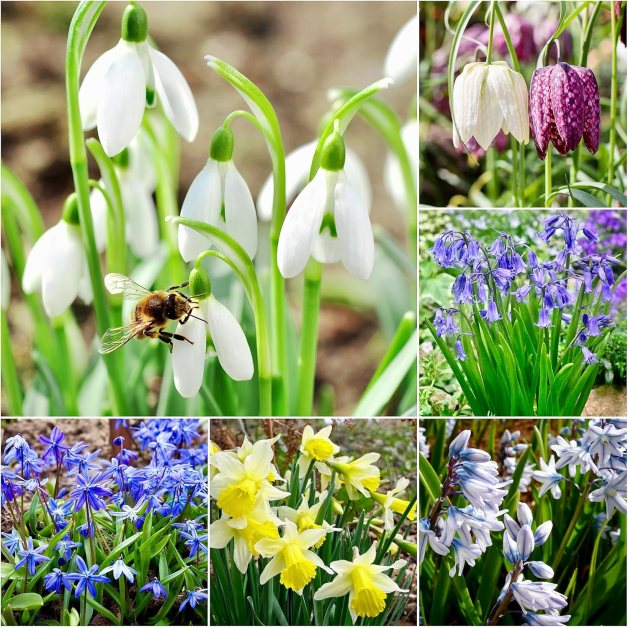
We have Snowdrops, English Bluebells, Puschkinia libanotica, Fritillaria meleagris or “Snake’s head fritillary”, Wild Daffodils and Scilla siberica

- SINGLE SNOWDROPS – This part of the collection encompasses five individual Galanthus Nivalis specimens, commonly referred to as the common snowdrop. Renowned for its flowering period extending from January to March, this particular species holds distinction as the most prominent and widespread among the twenty species within its genus. Distinguished for their early bloom, these bulbs, boasting an average height ranging from 10 to 20cm, contribute to the creation of visually captivating white blankets during the winter season.
- ENGLISH BLUEBELLS – The package includes five specimens of English Bluebells, distinguished by their captivating violet-blue blooms. These remarkable naturalises exhibit an impressive longevity of flowering up to five weeks, showcasing an annual multiplication that enhances their visual impact. preserve the vitality of these blooms by allowing the foliage to naturally transition to brown before removal. Elegant flowers that grace your garden. Flowering period in April and May, reaching an approximate height of 30cm to 40cm.
- PUSCHKINIA LIBANOTICA – The package comprises five specimens, renowned for producing star-shaped, dainty white flowers adorned with a distinctive blue stripe effect. This variety is exceptionally easy to cultivate and boasts high reliability. flowers from March to April, strategically positioning it between the blooming of snowdrops and the emergence of bluebells. Notably, has earned the prestigious Royal Horticultural Society’s Award of Garden Merit, underscoring its horticultural excellence. With an approximate height of 15cm.
- FRITILLARIA MELEAGRIS- Know as snakes head fritillary – produce beautiful nodding checkered purple & White bell shaped flowers with a distinctive resemblance to a snake skin, perfect contrast of colours. Attractive to pollinating insects, will naturalise very well. Flowering period: from April-May | Growth/height: between 20-40cm.
- WILD DAFFODILS LENT-LILY LOBULARIS – This small trumpet daffodil produces pretty pale yellow flower petals, complete with a darker central trumpet. The long narrow leaves are slightly greyish green in colour and rise from the base of the stem. The flowers produce seeds and self-sow, and they also have a clump forming habit. Wild daffodils are also great for naturalising, and will look incredible planted in borders, rockeries and woodlands. Flowers: March – April | Height: 35cm
- SCILLA SIBERICA – known as Spring Beauty. With up to six drooping blue flowers per stem, it gracefully blankets woodland floors in its natural habitat. Renowned for its exceptional naturalisation capabilities, this species effortlessly self-sows its seeds, and its bulbs exhibit vigorous multiplication. Widely recognised as the most planted among special miscellaneous bulbs, it holds a favoured status among gardeners. This exquisite flower has rightfully earned The RHS Award of Garden Merit, flowering from March to April, reaching 5″ to 6″.






 Meadow Orchard Project
You must be logged in to post a comment.