What is Clay?
Clay is a naturally occurring, fine-grained soil made up of tiny particles of rock and minerals, primarily hydrous aluminium phyllosilicates. It’s unique in that it becomes soft and workable when wet, yet hardens when it dries—and even more so when fired in a kiln. Throughout human history, clay has played a vital role in everything from construction and pottery to art and everyday tools.

A Material All Around Us
In fact, most of us live in homes that rely on clay in one form or another. It’s a fascinating material: when moist, the fine particles are lubricated, allowing them to slide over each other and become pliable. As it dries, clay hardens like stone, and when fired, its particles fuse, creating a strong, durable material.
Clay in the Garden
That said, clay soil can be challenging to garden in. In winter, it tends to waterlog, while in summer it bakes hard and struggles to retain moisture. However, it’s rich in nutrients, and once it’s broken up and managed properly, it can be quite fertile.

Clay in Our Roundhouse
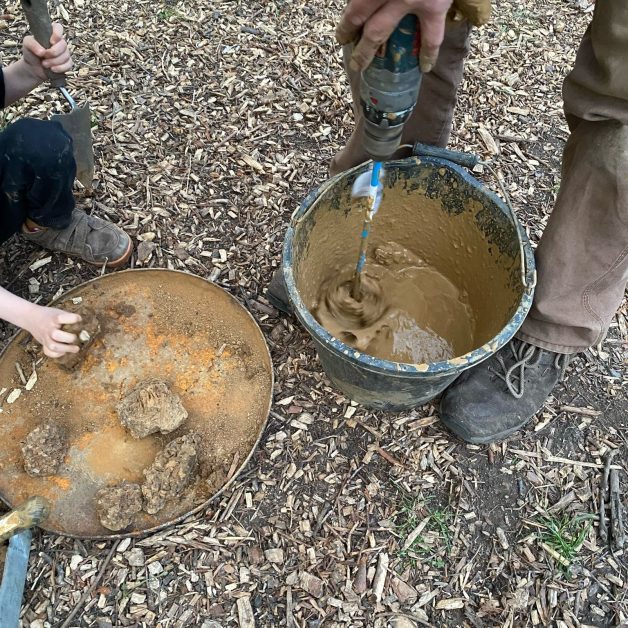
At our Roundhouse, we used clay in the render and as a binder to hold together straw and sand in the cob walls. The sheer scale of the clay-rendered structure has sparked our curiosity about other creative and practical uses for clay—how we can sculpt, mould, and build with it.

Creative Possibilities
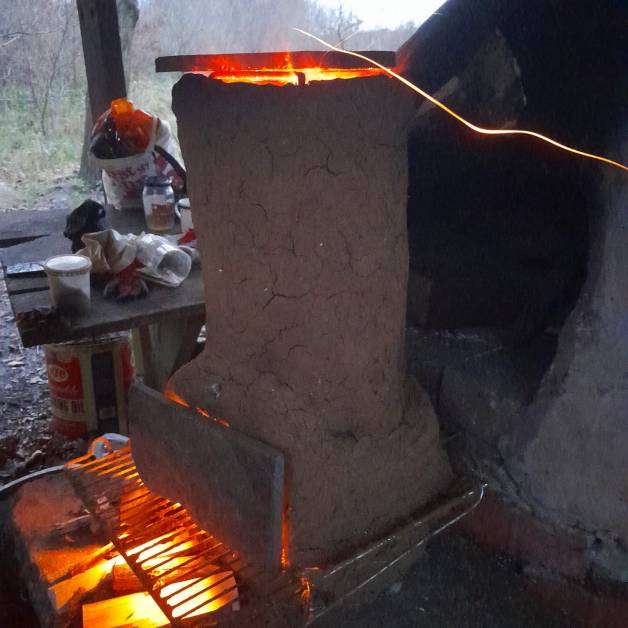
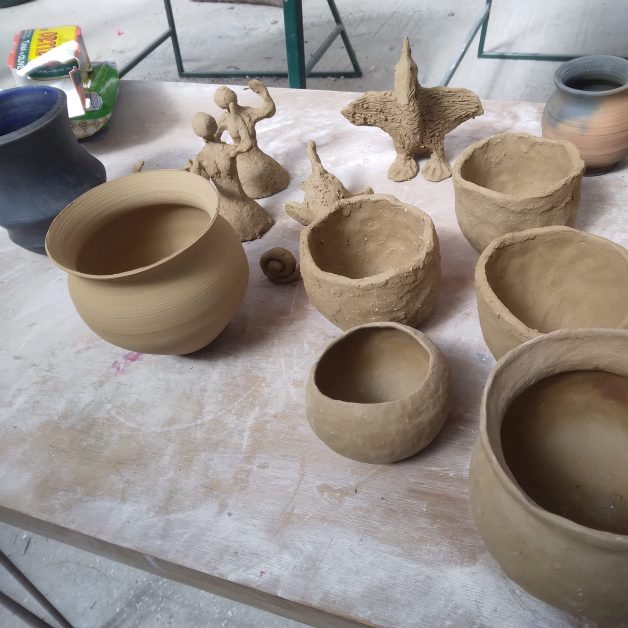
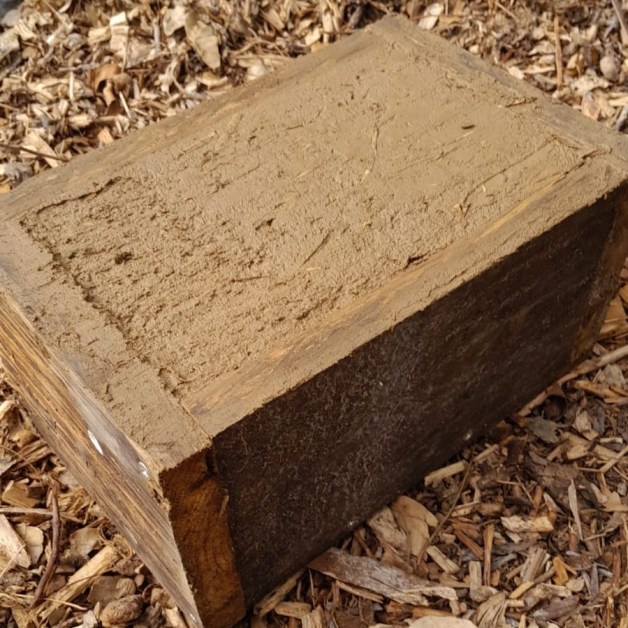
Collaborating with local potters and recently experimenting with firing our own clay has opened up a whole new world of creative exploration. Traditionally, clay has been used by sculptors to create maquettes or forms for casting finished sculptures. Outdoors, clay can be used for temporary sculptures or larger structures, building clay around a woven support structure. Outdoors, unfired clay can be sealed and rendered to make it weatherproof and more permanent.
Sculpture and Function
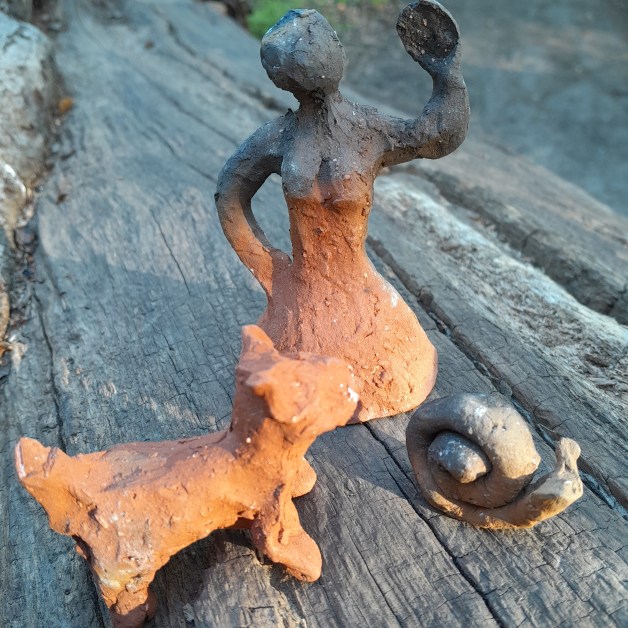
There’s also great potential in crafting small clay items to incorporate into larger works—like totem poles or multipiece installations. Low-fired terracotta weathers beautifully over time, often gathering mosses and lichens depending on the environment. We’ve considered using fired clay for practical elements like signs, labels, and small landmarks to help visitors connect and navigate within our space.
Nature’s Influence
There’s something deeply interesting about how natural structures interact with the environment—how they age, weather, and slowly become part of the landscape again. Materials like clay, cob, straw, and sand not only shape the physical space but also offer habitats for a variety of creatures, from bees and beetles to spiders.

Reconnecting with the Earth
Working with natural materials draws us closer to the environment around us. It’s a reminder that we are a part of nature—not separate from it, as we so often forget. By creating with clay and other earth-based materials, we’re re-establishing that connection, one handful at a time.





 Meadow Orchard Project
You must be logged in to post a comment.