- Soil Testing Updates
- Soil Test Proposal
- Understanding the Land Beneath Our Feet
- The Hidden History in Urban Soils
- What Does Soil Testing Involve?
- Next Steps for Our Garden
- Commencing Soil Testing
- Resources for Other Gardeners
Soil Testing Updates
9/4/25 Proposal made for testing soils for contamination based on advice by members of London Transition Town Groups.

18/4/25 We are currently planning a brief meeting to discuss the proposal for a potential soil contamination test and to plan the next steps.
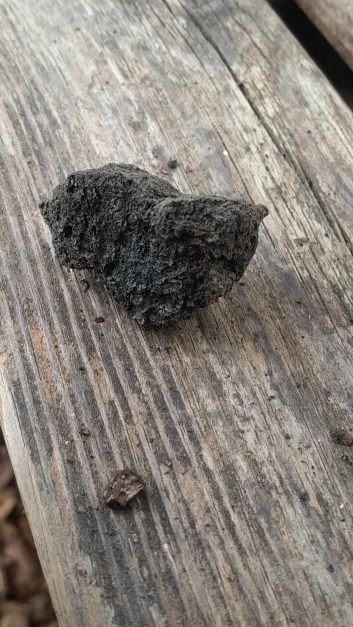
1/5/25 At our May committee meeting we raised the issue around potential contamination from the clinker in the soil. The outcome of this meeting was to proceed with Advanced contamination suite – soil testing kit from Safe Soil UK. Samples will be taken from areas of the garden, which were previously surfaced tennis courts (containing the clinker drainage material). Sample material will be taken from inside the polytunnel, raised beds, herb beds and in areas where food crops are to be grown. Read More
5/5/25 Discussion around where to take samples from, avoiding areas where soil has been built up using soil from outside of Meadow Orchard. Email sent to Safe Soil UK for advice around the composite soil sample test.
Soil Test Proposal
You can view our proposal form for the Safe Soil UK soil test here.

Understanding the Land Beneath Our Feet
Starting a community garden is an exciting and hopeful endeavour—one that brings people together, promotes sustainable food systems, and reclaims underutilized urban spaces. But before seeds are planted and plots are drawn, one crucial step often gets overlooked: soil testing.

For our community garden project, the excitement of transforming a once-abandoned space into a thriving green hub has been tempered by an important reality check. Our site, previously home to tennis courts, has a deep sub-layer of coal clinker—a material once commonly used for drainage. While that may sound benign, coal clinker is a byproduct of burning coal and can pose significant environmental and health risks when it comes to growing food.
The Hidden History in Urban Soils
Urban soils can be a patchwork of unknown histories. Many plots in cities have previously served industrial, commercial, or recreational purposes—think garages, factories, warehouses, or even sports facilities like ours. These past uses can leave a legacy of contaminants in the soil: heavy metals like lead, arsenic, and cadmium, as well as hydrocarbons, asbestos, and other toxins.
In our case, the presence of coal clinker is particularly concerning. Though it served its purpose as a drainage layer beneath the tennis courts, coal combustion residues can contain elevated levels of heavy metals, including:
- Lead (Pb)
- Arsenic (As)
- Mercury (Hg)
- Chromium (Cr)
These elements don’t break down over time and can accumulate in plant tissues—especially in leafy greens and root vegetables. That’s why thorough soil testing is not optional, it’s essential—particularly if we plan to grow food for our community.
What Does Soil Testing Involve?
Soil testing for potential contaminants goes beyond the typical nutrient or pH analysis done for farming and gardening. Instead, we’ll need environmental-grade lab testing to determine the presence and concentration of any harmful substances.
Here’s how we plan to approach it:
Identify Sample Locations Strategically
We’ll take multiple soil samples from across the garden site to get a representative picture. Key areas include:
- Near the surface (top 15–20 cm), where food crops will root.
- Below the surface layer, especially where the coal clinker begins..
- Any low-lying or visibly discolored areas.
Mix Composite Samples
For general assessment, several scoops from a given area will be mixed into a composite sample to reduce variability and cost. Specific samples may also be taken if any area appears suspicious.
Send to a Certified Lab
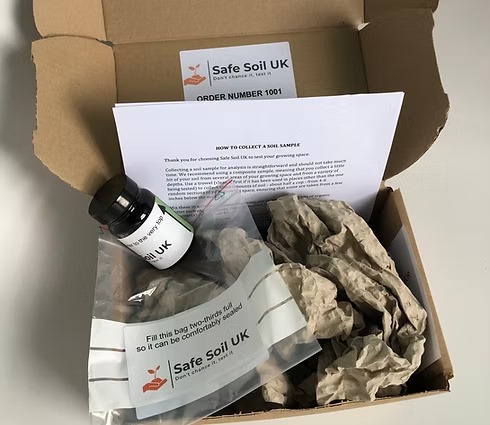
We’ll be using a certified environmental lab Safe Soil UK, that offers heavy metal and contaminant analysis suitable for urban food growing. Many labs provide guidance on how to collect and submit samples properly—some even offer testing kits.
Interpret the Results
We’ll compare the lab results with soil contaminant threshold levels set by agencies like the UK Environment Agency or US EPA. If harmful substances are present above safe limits, there are a number of potential control measures and solutions; we’ll need to decide whether to:
- Remediate (e.g. replace or cap the soil)
- Install a non permeable lining in our existing raised beds, creating raised wicking beds
- Build raised beds with clean topsoil
- Restrict planting to non-edible crops, growing ornamentals and growing for wildlife in certain areas
- Move the food growing areas to areas of the site where clinker isn’t present
- Use methods such as pytoremediation, where plants such as Mint accumulate heavy metals from their tissues, which can then be harvested and incinerated to remove contaminants from the soil.
- Grow certain plants which as bioaccumulators and particularly good at remediating contaminated soils
- Carry out further tests to determine the effectiveness of the above control measures
Next Steps for Our Garden
Our growing plans are currently on hold until we get clear results. While it’s tempting to dive into planting right away, taking this precaution ensures the long-term health and safety of our garden and everyone who eats from it. Soil is more than just dirt—it’s the foundation of our food. Healthy soil, results in healthy food!
By doing this work now, we’re laying the groundwork (literally and figuratively) for a vibrant, resilient community space which we can all feel safe and proud of.
Commencing Soil Testing
In May ’25 we are going to begin taking soil samples from a number of areas from the areas marked in yellow on the image below. The aerial photo dated 1960 clearly shows the locations of the tennis courts, if you look carefully you can see the white lines marking the individual courts too.
The area in yellow is where we are looking to grow most of our food. Once we’ve taken the samples we will mail those to safesoil.co.uk for them to carry out their advanced contamination suite of tests. These test, test for heavy metals and also PFAS ‘Forever chemicals’ (Perfluoroalkyl and Polyfluoroalkyl Substances) too.

Resources for Other Gardeners
If you’re also working on an urban garden project, here are some helpful resources to get started with soil testing:
- Local university extension services or environmental health departments
- Soil testing labs that specialize in contaminated sites
- Community garden networks or city greening programs such as Transition Towns.
- Safe Soil Uk
Have experience with urban soil testing or suggestions for labs? We’d love to hear from you! Share your tips and insights in the comments below.
 Meadow Orchard Project
You must be logged in to post a comment.