- Proposal Creation
- Presentation to the Circle
- Quick Reactions Round
- Consent Round (Initial)
- Objection Exploration & Integration
- Repeat Consent Round (if revised)
- Decision Logged & Actioned
- Review & Evaluation (Later)
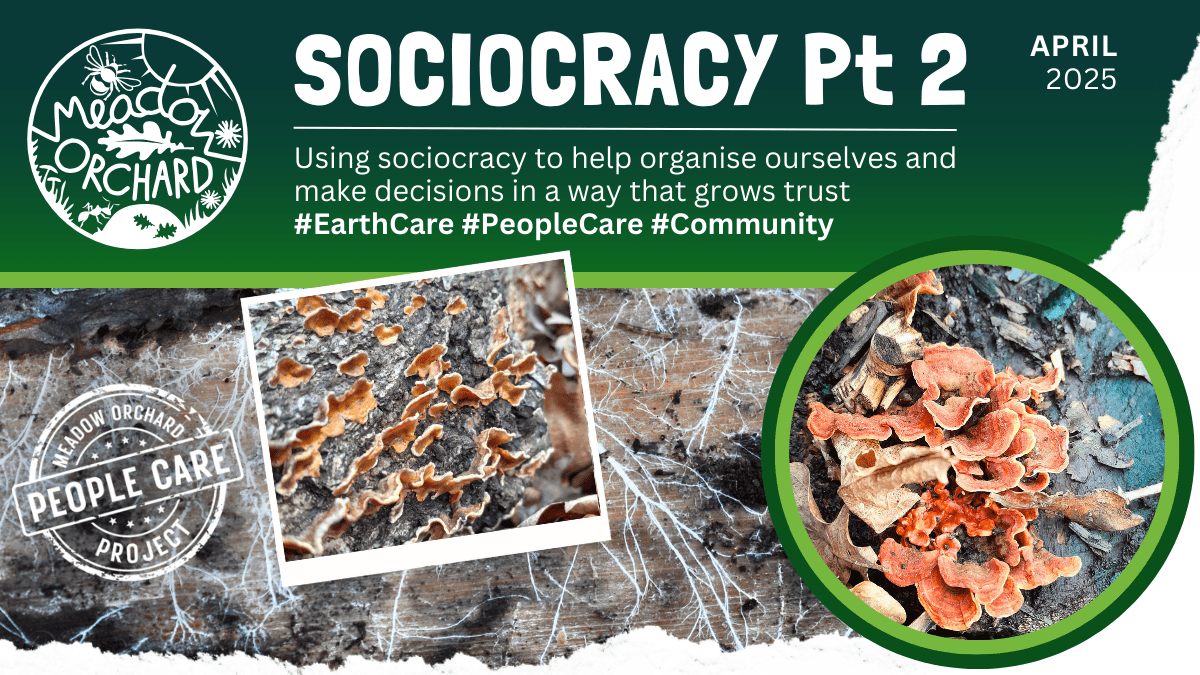
Sociocracy is a system of governance that emphasizes equality, transparency, and collaboration. It structures organizations into semi-autonomous circles (teams) that make decisions using consent, meaning decisions move forward unless there are reasoned objections.
Unlike traditional top-down hierarchies, sociocracy distributes authority and encourages every voice to be heard. This leads to more inclusive, adaptive, and efficient decision-making, particularly in mission-driven or community-oriented organizations. It blends structure with flexibility to create empowered, self-organizing teams.
Proposal Creation
Goal: Develop a clear, actionable proposal.
- Initiator(s) identifies a need, issue, or opportunity.
- Draft a proposal using clear language, including:
- Purpose of the proposal
- Background/context
- Suggested actions or decisions
- Who’s responsible
- Timeframe or review period
- Optional: Collaborate with a small group or working group for input.
Presentation to the Circle
Goal: Share the proposal and ensure understanding.
- The facilitator introduces the agenda item.
- Presenter explains the proposal to the full circle.
- Clarifying questions are invited (no reactions or opinions yet).
- This is just to ensure everyone understands the proposal.
Quick Reactions Round
Goal: Gather initial responses and feelings.
- Each circle member shares a brief reaction to the proposal.
- Could be positive, skeptical, concerned, etc.
- No discussion or cross-talk—just listen and note patterns.
Consent Round (Initial)
Goal: Determine whether there are paramount objections.
- One by one, each member says:
- “Consent” (I can live with this)
- OR “Objection” (based on the circle’s aim being compromised)
- If no objections: The proposal is adopted.
- If there are objections, move to the next step.
Objection Exploration & Integration
Goal: Improve the proposal by addressing valid objections
- Each objection is explored for its reason and impact.
- The circle collaborates to find ways to adapt or improve the proposal.
- Revisions are made with the whole circle or a smaller group.
- Could include clarifying language, adding a condition, or narrowing the scope.
Repeat Consent Round (if revised)
Goal: Achieve consent on the revised proposal
- The revised proposal is presented again.
- Another consent round is held.
- If new objections arise, repeat steps 5 and 6.
Decision Logged & Actioned
Goal: Document and implement the consented decision
- The decision is recorded (meeting minutes, decision log).
- Action steps assigned to responsible individuals or teams.
- Set a review date or follow-up mechanism.
Review & Evaluation (Later)
Goal: Learn and adjust as needed.
- At the review date or after implementation:
- Reflect on what worked, what didn’t.
- Make changes using the same sociocratic process if needed.
- Builds a feedback loop into decision-making.
Download notes on Sociocracy from the session
 Meadow Orchard Project