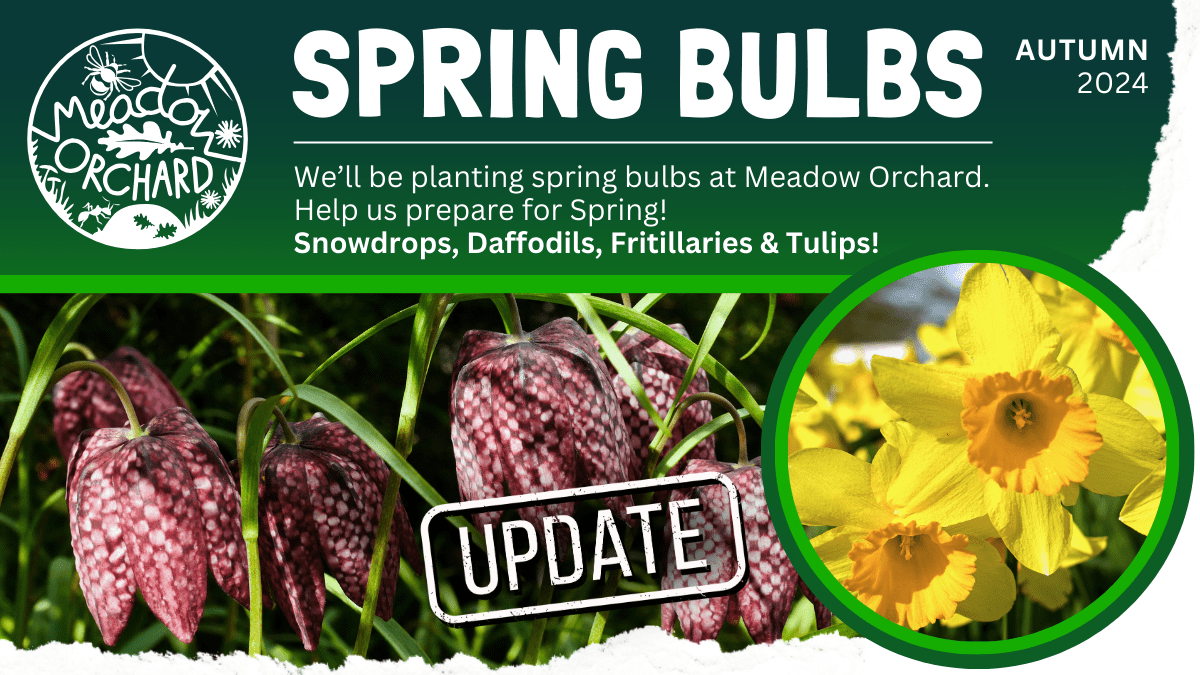
Over the last couple of years we’ve signed up to receive free bulbs from the Haringey Parks Department, we’ve also signed up to receive bulbs from MPGA (Metropolitan Parks and Gardens Association) through their Bulbs for London Programme in association with Taylors Bulbs. We also supplemented these with another 160 native Bluebell and Fritillary bulbs.Continue reading “Spring Bulbs @MOP💚🌺🌹🌷”
Tag Archives: nature
Meadow Orchard: Crouch End Festival – June 4th – 15th
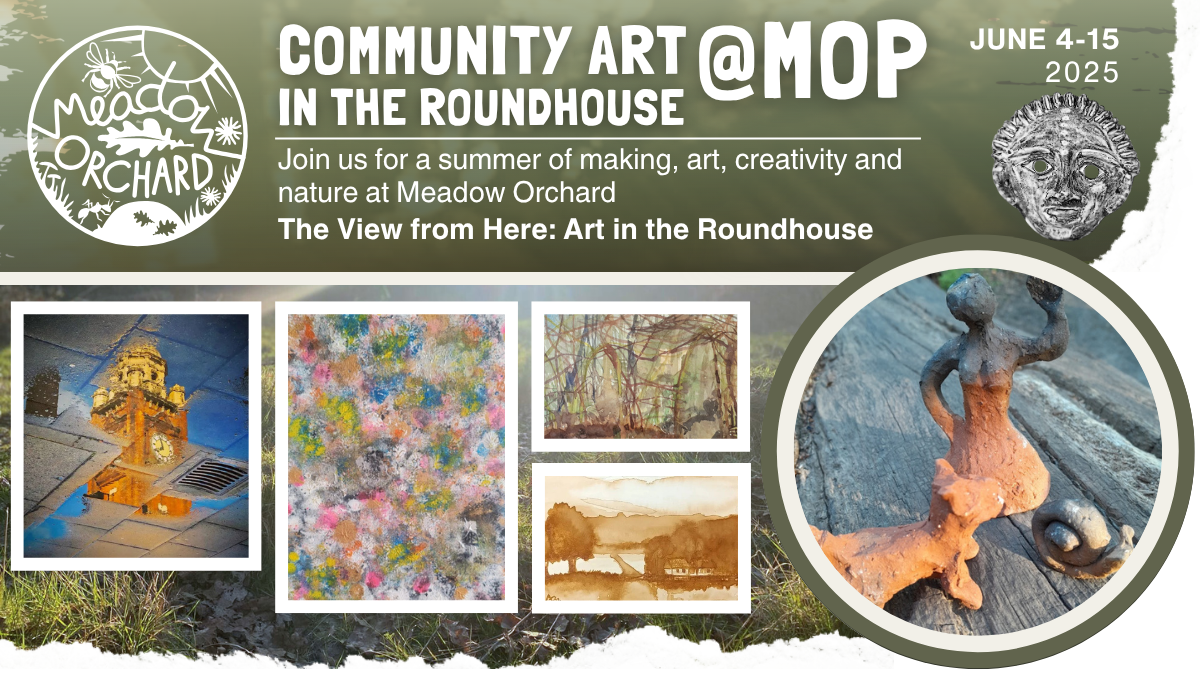
The View from Here: Community Art in the RoundhouseDates Exhibition open Wednesdays, Saturdays & Sundays, June 4th -15thTime 12.00 – 7.00pmPlease see links below for workshop dates and times About Meadow Orchard Our Art Exhibition The View from Here: Community Art in the Roundhouse takes place in our wondrous cob built roundhouse (made by overContinue reading “Meadow Orchard: Crouch End Festival – June 4th – 15th”
The Fascinating World of Yellow Meadow Ants
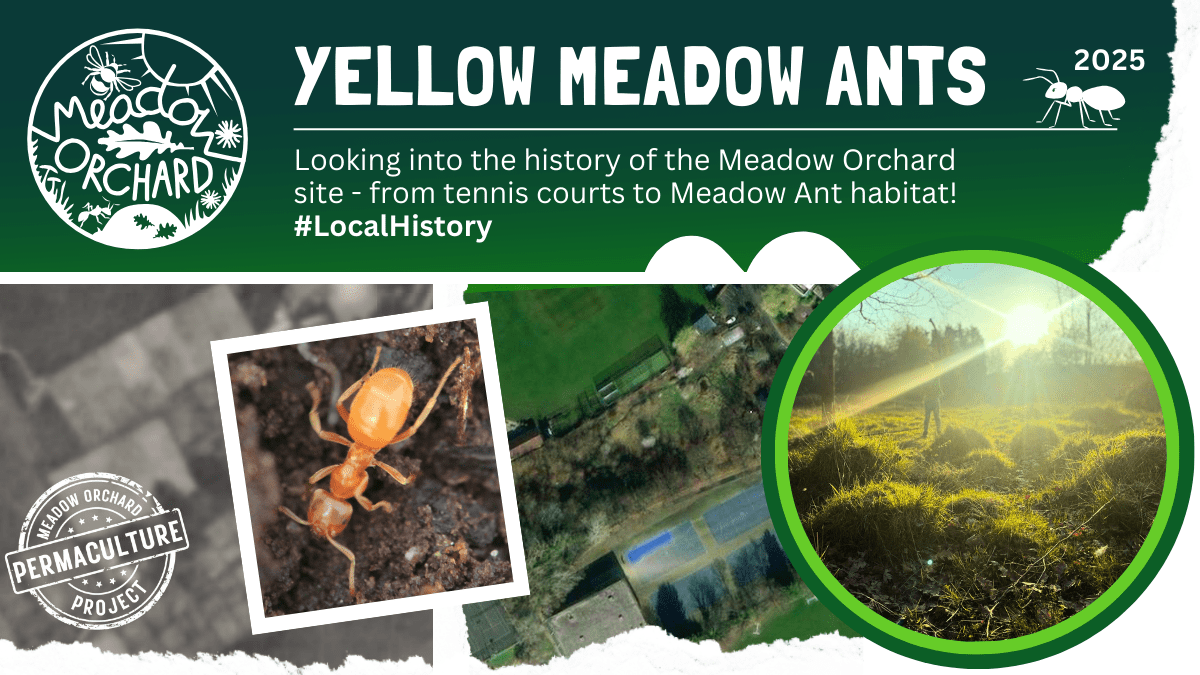
Discover the fascinating world of Yellow Meadow Ants (Lasius flavus) thriving in London’s urban landscape, especially in our disused tennis courts! These golden-yellow ants have adapted to clay soil and abandoned spaces, creating intricate underground tunnels. The combination of stable temperature, moisture retention, and minimal disturbance makes old tennis courts the perfect environment. Yellow Meadow Ants rely on a symbiotic relationship with aphids for sustenance and contribute to soil health. Learn how these ants, often unnoticed, play a crucial role in transforming neglected areas into thriving microhabitats. Explore their surprising presence in London’s green spaces today!
European Orchard Bees Nesting at MOP
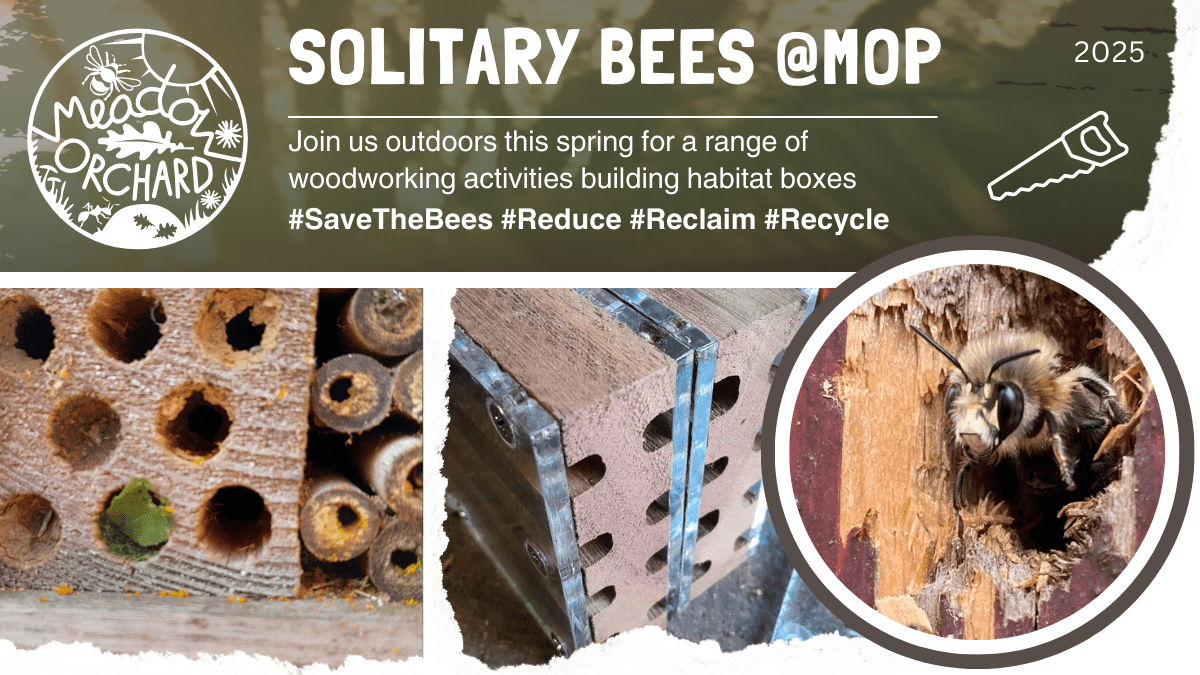
Solitary Bees Our volunteers have been delighted to see a European Orchard Bee nesting in the habitat wall we installed on the side of our green metal tool shed last year. But what exactly are solitary bees and are they different from honeybees? When it comes to locating bee habitat, they pretty much like theContinue reading “European Orchard Bees Nesting at MOP”
Ecological Succession in Soil Regeneration
Ecological succession is the natural process by which ecosystems recover and regenerate after disturbances. It begins with pioneering species like lichens and mosses, which help break down rock and enrich the soil. As the soil thickens, grasses, small plants, and eventually shrubs and trees establish themselves. Over time, this process leads to the formation of mature ecosystems such as forests or grasslands. Ecological succession enhances soil fertility, prevents erosion, restores biodiversity, and aids in carbon sequestration. Human interventions, such as replanting native species and adding soil amendments, can accelerate this process, helping to restore degraded land and promote ecological balance.
Our Ongoing Garden Plans
This proposal outlines a series of suggested enhancements for the Meadow Orchard Project garden space, aiming to create a friendly, safe, and accessible environment for all. We seek to share our love for nature, food growing, and learning, while fostering a vibrant and diverse community space. By embracing creativity, arts, and music, we aim toContinue reading “Our Ongoing Garden Plans”
Wood fires and the dangers of wood smoke

The benefits of wood fires Sharing an open fire can foster connection, relaxation, and conversation. It can help create a calm atmosphere, evoke nostalgia, and enhance social experiences. The fire serves as a focal point for storytelling, music, drumming, song or games, adding to the enjoyment and potentially making the gathering more memorable and meaningful.Continue reading “Wood fires and the dangers of wood smoke”
Step-by-Step Guide: How to Start a Fire in our Fire Pit

In our previous post, we discussed the Fire Triangle—Heat, Oxygen, and Fuel. To make fire in practice, you need tinder, kindling, and firewood. Tinder is dry, small materials (wood shavings, grass, or paper) that catch fire easily. Kindling consists of small twigs or sticks that help the fire grow once the tinder ignites. Firewood (larger branches) keeps the fire burning. Remember, splitting wood can be satisfying, but smaller wood burns faster. Choose the right wood size depending on your fire’s purpose, and ensure a good supply of tinder and kindling to keep the flames alive.
Homes for Solitary Bees
Solitary Bees and How to Create Habitat for Them
Did you know there are around 250 species of solitary bees in the UK? Unlike honeybees, solitary bees do not produce honey but play a crucial role in pollination. These fascinating bees build nests in hollow plant stems or small cracks in trees, laying eggs and providing food for their larvae. You can support solitary bee populations by creating ideal habitats, such as bundles of hollow reeds, bamboo, or drilled logs, placed in sheltered, sunny spots. By setting up these bee hotels or bug houses, you’ll encourage solitary bees to nest, enhancing your garden’s biodiversity. Learn more about how to build a bee-friendly environment and attract these essential pollinators!
Swift Nestboxes and the Circular Economy
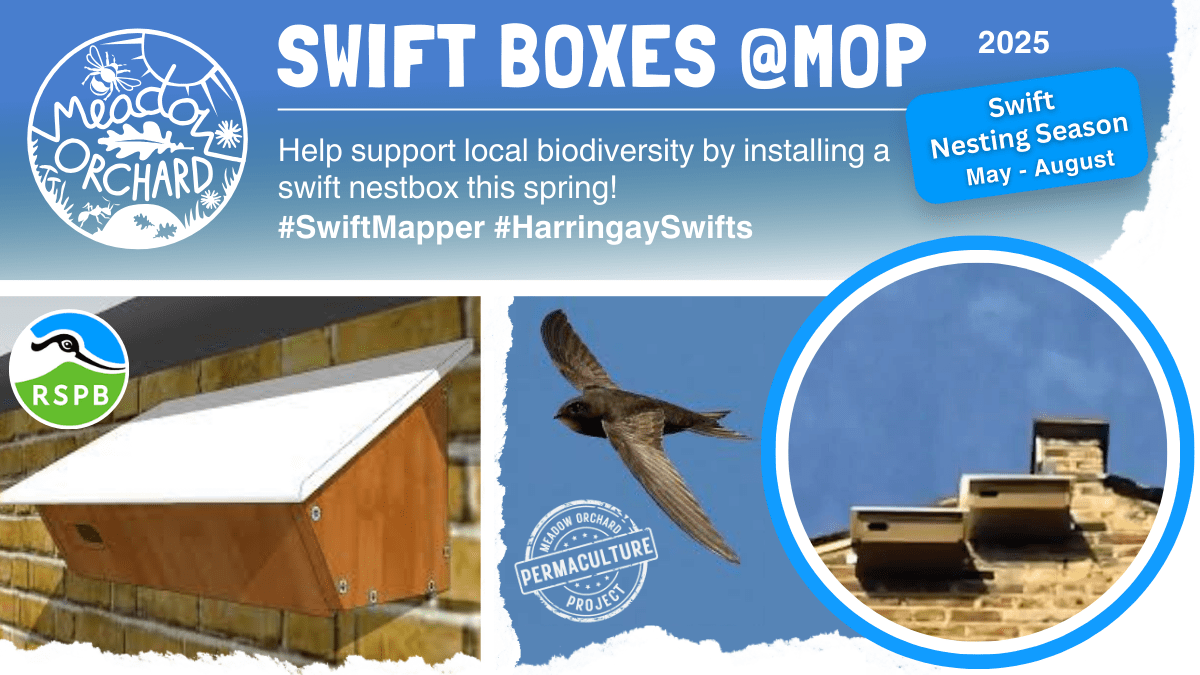
Swifts are captivating summer visitors, known for their acrobatic flying and high-speed maneuvers. These social birds, returning from South Africa each May, are facing a decline in nesting sites due to building renovations. To support swifts, consider installing Swift Nestboxes on your home. These boxes, made from reclaimed materials, provide a durable, safe nesting space. The Harringay Swift Group offers installation assistance and a demonstration swift call module to attract the birds. By participating in initiatives like Swiftmapper, you can also contribute to citizen science and support swift conservation efforts in your community.
 Meadow Orchard Project