
- Introduction
- Citizen Science at Meadow Orchard
- Upcoming activities
- Bio-Blitz
- Habitat
- Wildlife Survey
- Meadow Ants
- Flora & Fauna
- Meadow
- Beehives
Introduction
The site offers a peaceful and inspiring natural setting. It is a place to simply enjoy being in nature. You can meet people and get involved in activities. You can also learn new skills, get creative, or have fun at an event.
Help this local wild space to thrive by joining us. Join in lots of activities, events, and celebrations. Learn new skills, meet others and enjoy being in nature.
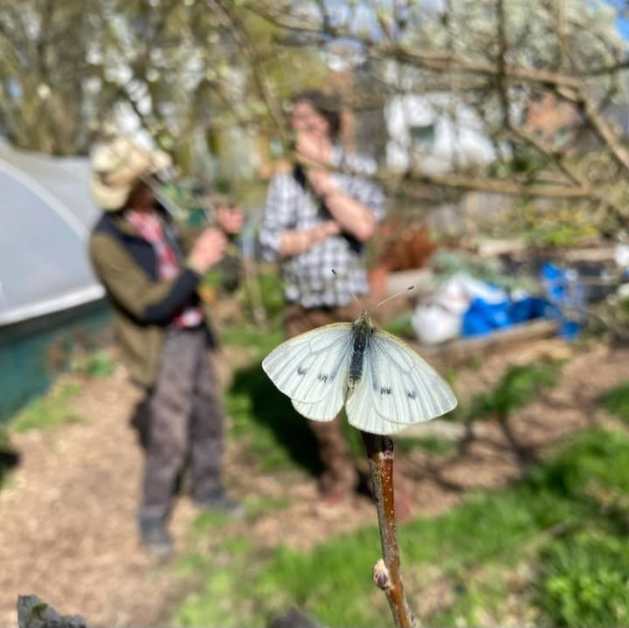
Citizen Science at Meadow Orchard
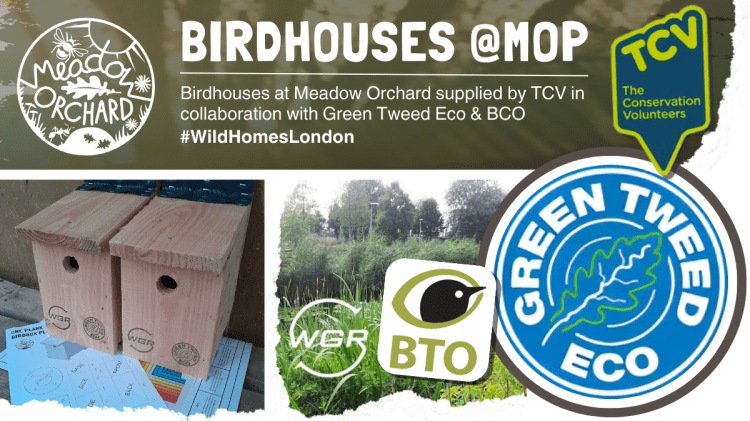
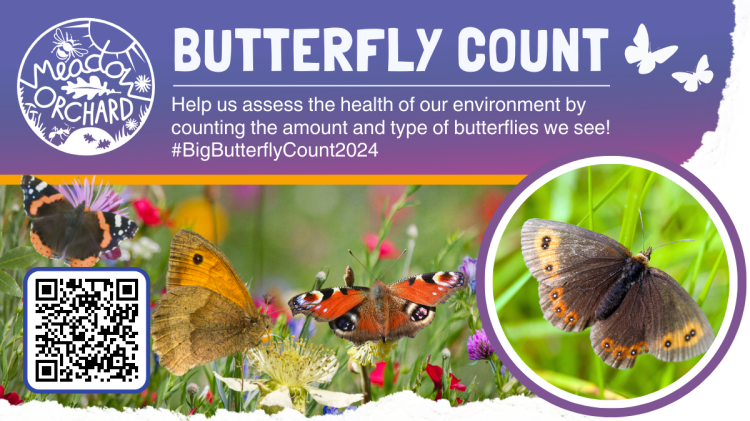
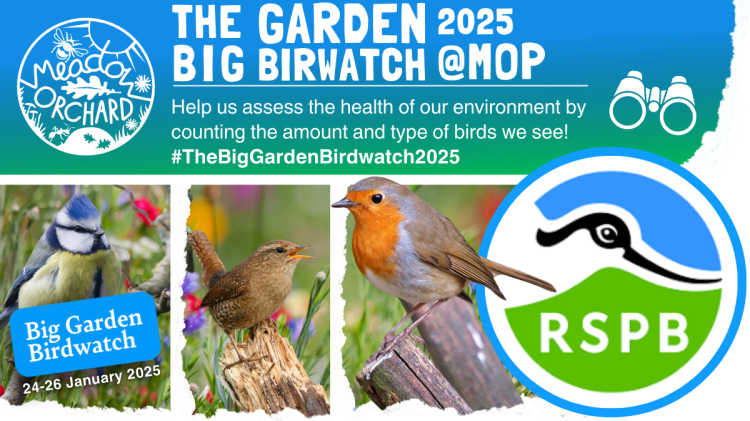
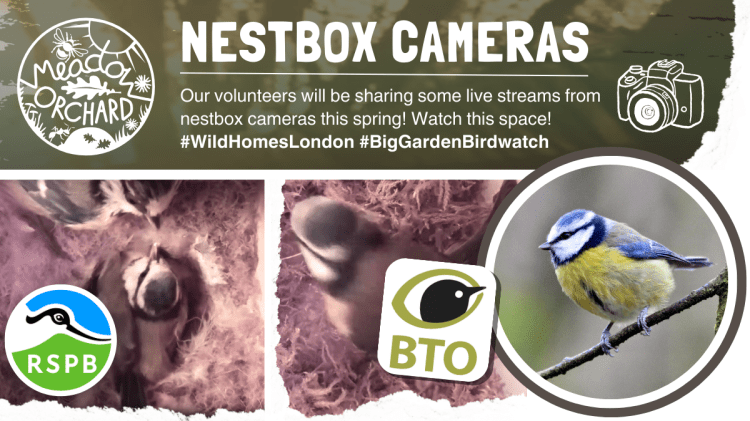
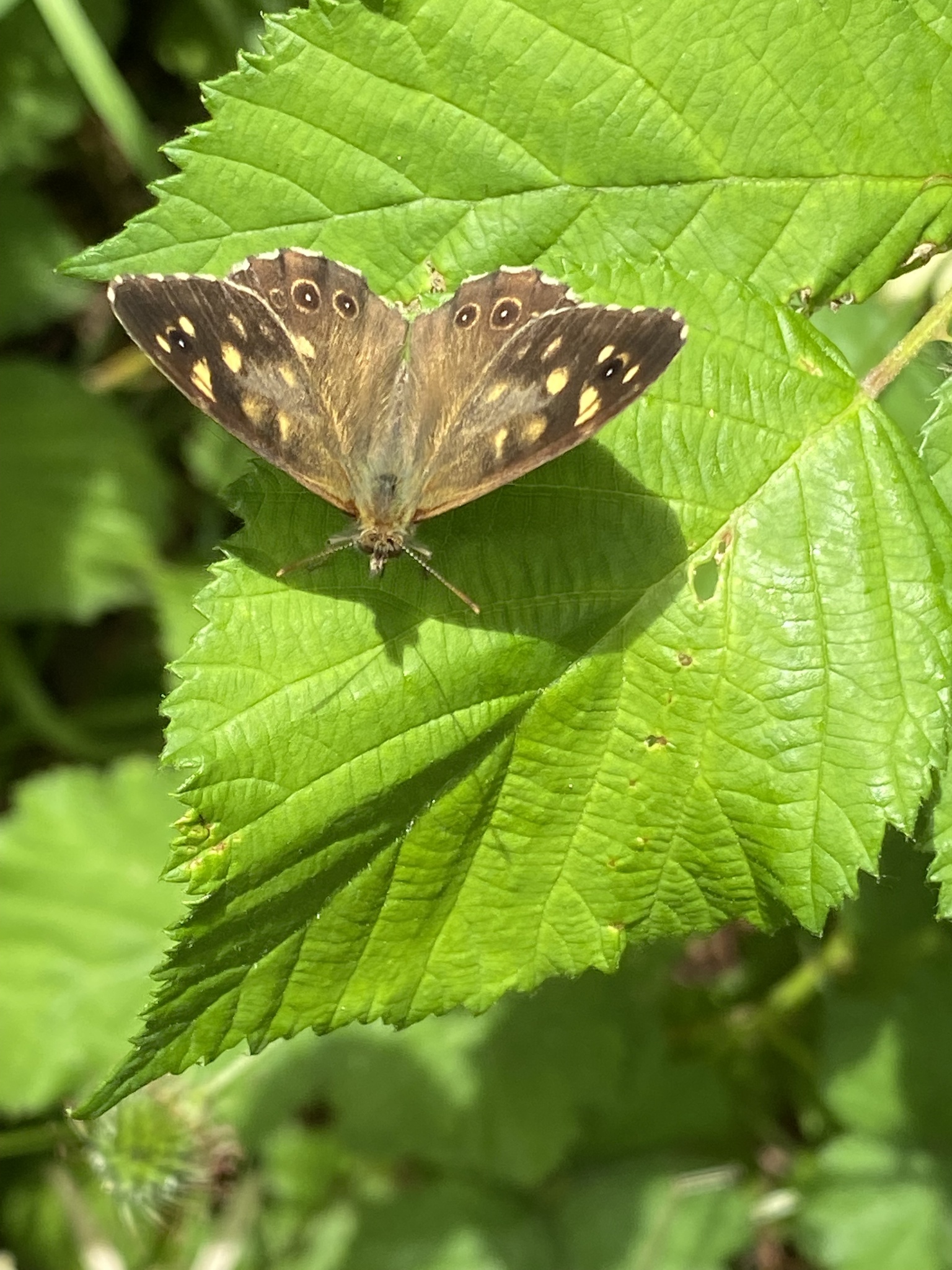
Meadow Orchard Project is currently using the Seek App and iNaturalist to help document and record the incredible biodiversity on site! We also support organisations such as Butterfly Conservation. We do this through their projects, such as The Big Butterfly Count and our Moth Walk. We’ll also be installing a number of new Birdhouses, supplied by TCV, you are also welcome to join in the Big Garden Birdwatch at MOP.
Upcoming activities
Bio-Blitz
A Bio-Blitz involves a group of volunteers who record details of flora and fauna. This effort creates a snapshot of the wildlife on a particular date. These results are then shared on our iNaturalist project.
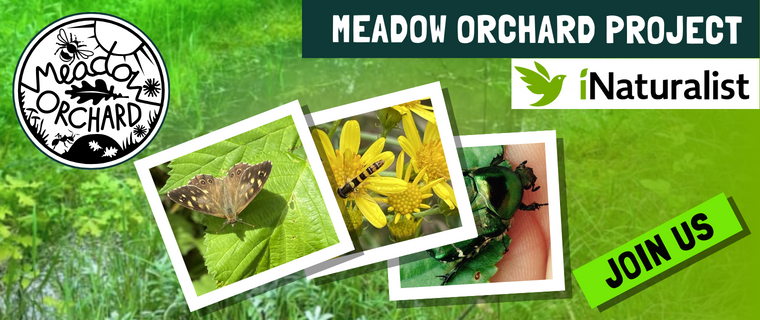
Anyone can sign up to iNaturalist and upload photos of their wildlife observations to our project. To help contribute, you will need to sign up for an iNaturalist account. Then, install the App from Google Play or the Apple App store.
Habitat
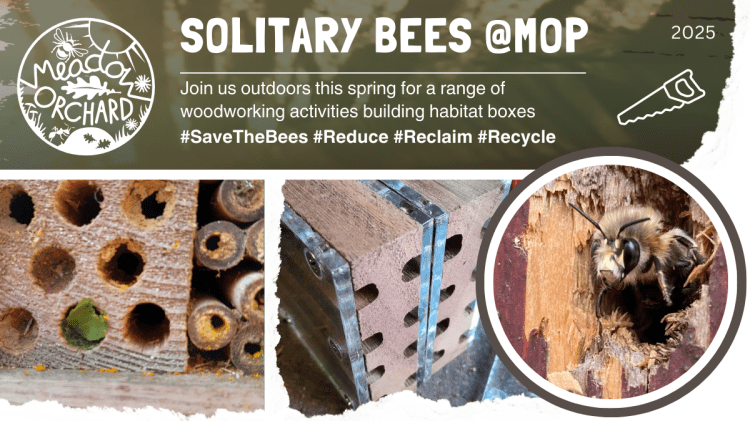
We’ve been installing birdhouses, building swiftboxes, creating dead hedges, log piles, hoverfly lagoons, stumperies and making bee habitat. We’re also planning some great hands on woodworking projects where you can get involved and help develop the wild homes in our community space.
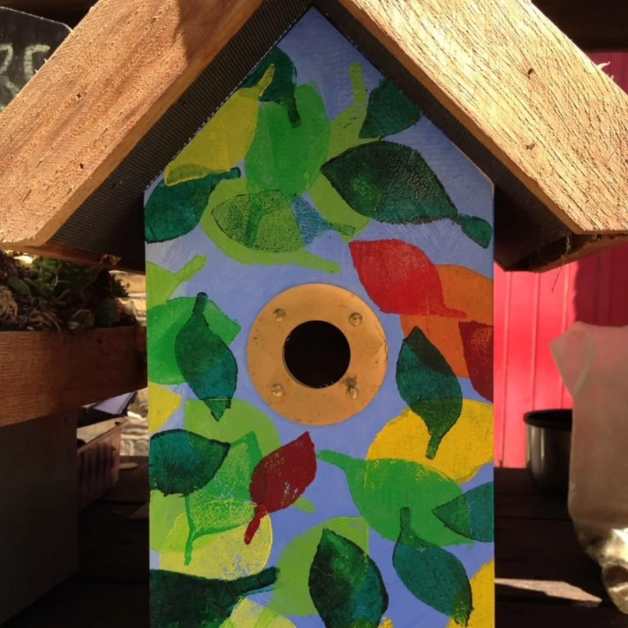
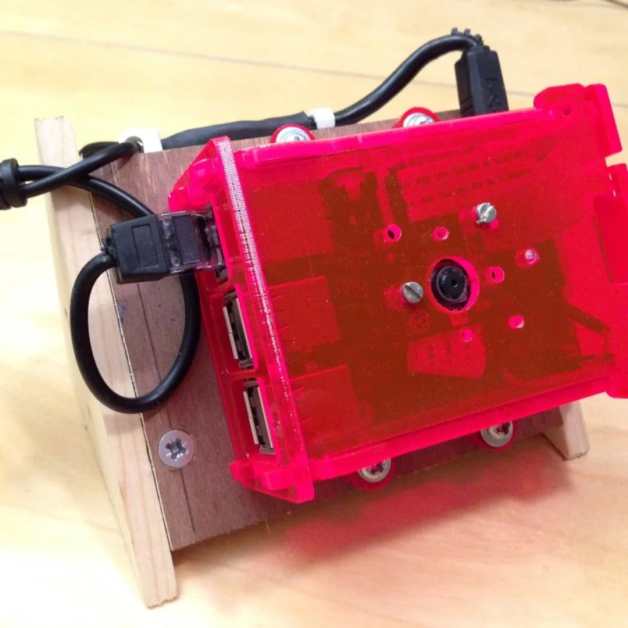
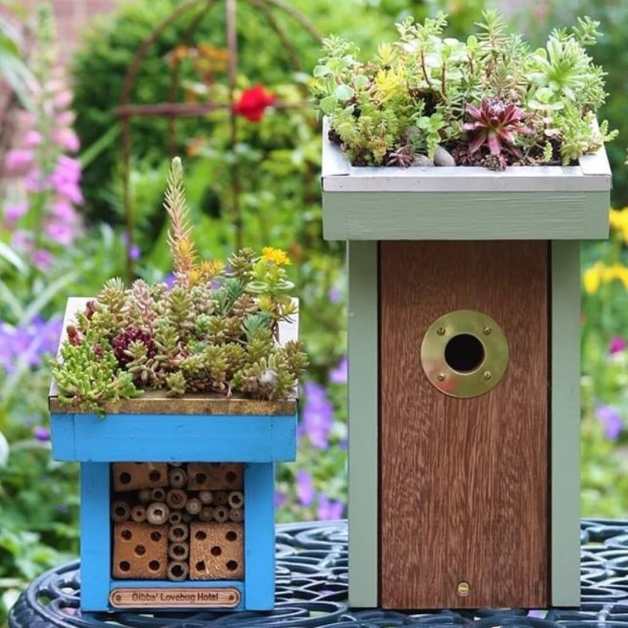
Bee hotels and birdhouses help us sustain our local wildlife and enhance biodiversity. Bee hotels provide a safe space for solitary bees to nest, which are vital pollinators. Birdhouses provide nesting sites for a variety of birds, many of which in turn help to balance the ecosystem, while also creating a vibrant and thriving space for the community to enjoy.
Wildlife Survey
An ecological survey of the Meadow Orchard site was undertaken in May 2010 by London Wildlife Trust. We were given advice on how to protect the delicate wildlife features of this land. We were also advised on how to enhance these features. This land is a site of Grade 1 Importance for Nature Conservation. The undisturbed meadow grassland is a unique feature in a London urban setting. It is a mosaic of five different habitats. These habitats support wild plants, grasses, insects, spiders, trees, and bird-life.


Meadow Ants
There are yellow meadow ants, which are part of the food-chain supporting bird life, including the green woodpecker. The yellow meadow ant-hills are protected on our site and some of these are 30-40 years old, which is a feature of an undisturbed meadow grassland
Flora & Fauna
At least 14 bird species are found here. They include blackcap, song thrush, and gold finch. At least 62 wild plant types are present, including 13 grasses. There are also 16 species of tree with a great wealth of English oak. Plus, bramble scrub that also provide shelter and forage for mammals, birds and insects.


Meadow
The habitat management includes twice annual mowing of the grassland and removal of the grass cuttings. This encourages a wider diversity of wild flowers. It also mimics the grazing by animals of a traditional meadow. We favour the old-fashioned method of scything by hand rather than using machines, which is much less damaging and more environmentally friendly as well as pleasurable and healthy. Scything is usually done in October and March
We maintain the bramble scrub to reduce encroachment into the meadow. We also remove the mainly self-seeded oak saplings to prevent them from shading out the grassland habitat and creating a thicket. We have recently cleared much of the bramble and planted tree whips, supplied through TCV’s I Dig Trees campaign. Paths at meadow orchard are maintained to help prevent encroachment into the wildlife areas. Dead hedges also help to border the wildlife areas. We have a wild forage hedge. The trees were donated by the Woodland Trust. These include hazel, blackthorn, dog rose, wild cherry, and crab apple. We have also dug a pond to provide additional wildlife habitat. Many birds and insects visit it, newts come too.
Beehives
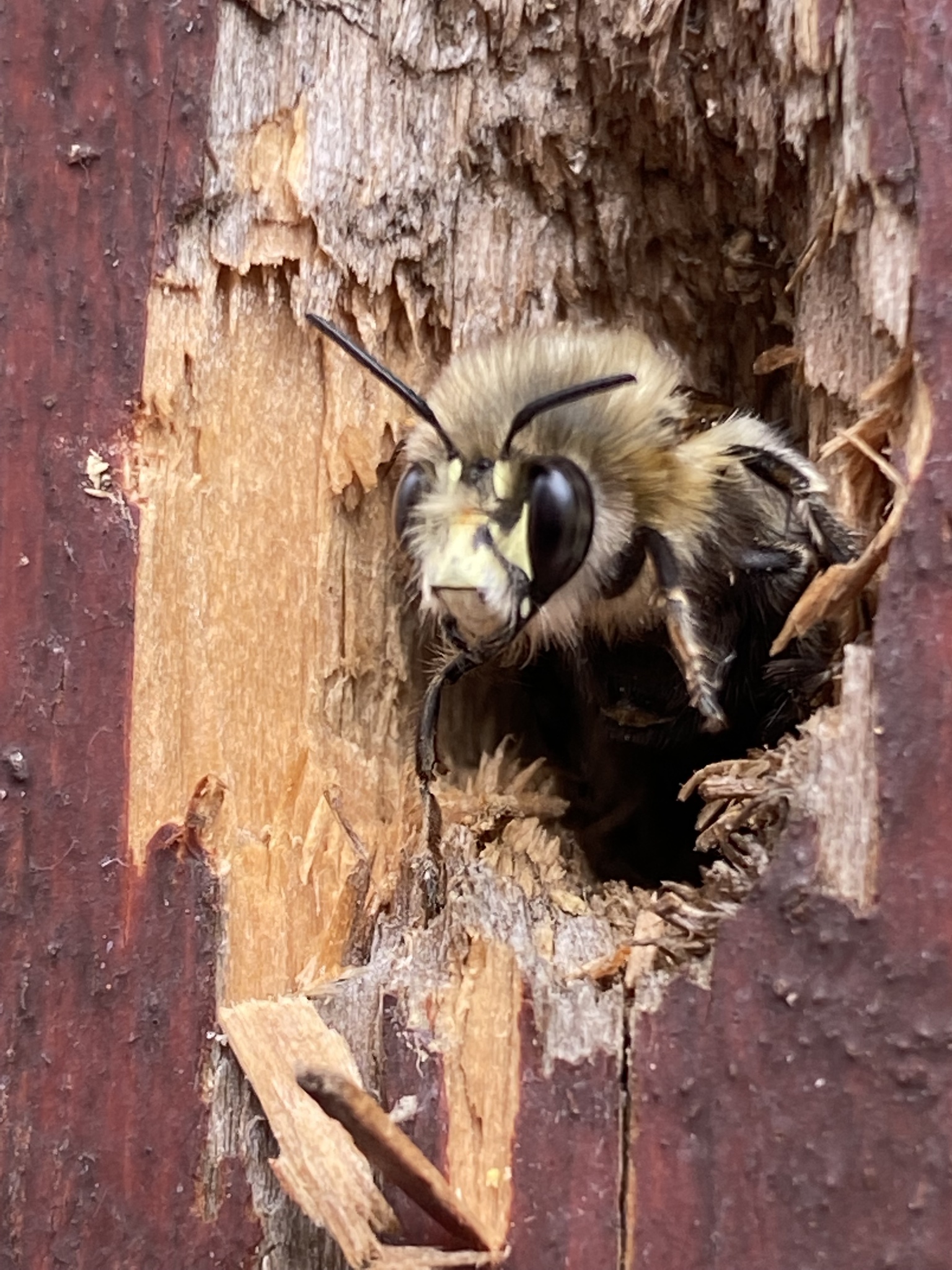
We have three bee hives at the back of the site and our bee keepers practice natural beekeeping. We have been planting bee-friendly plants and wild flowers around the site. We also have Orchard Bees living in our outdoor kitchen!


 Meadow Orchard Project