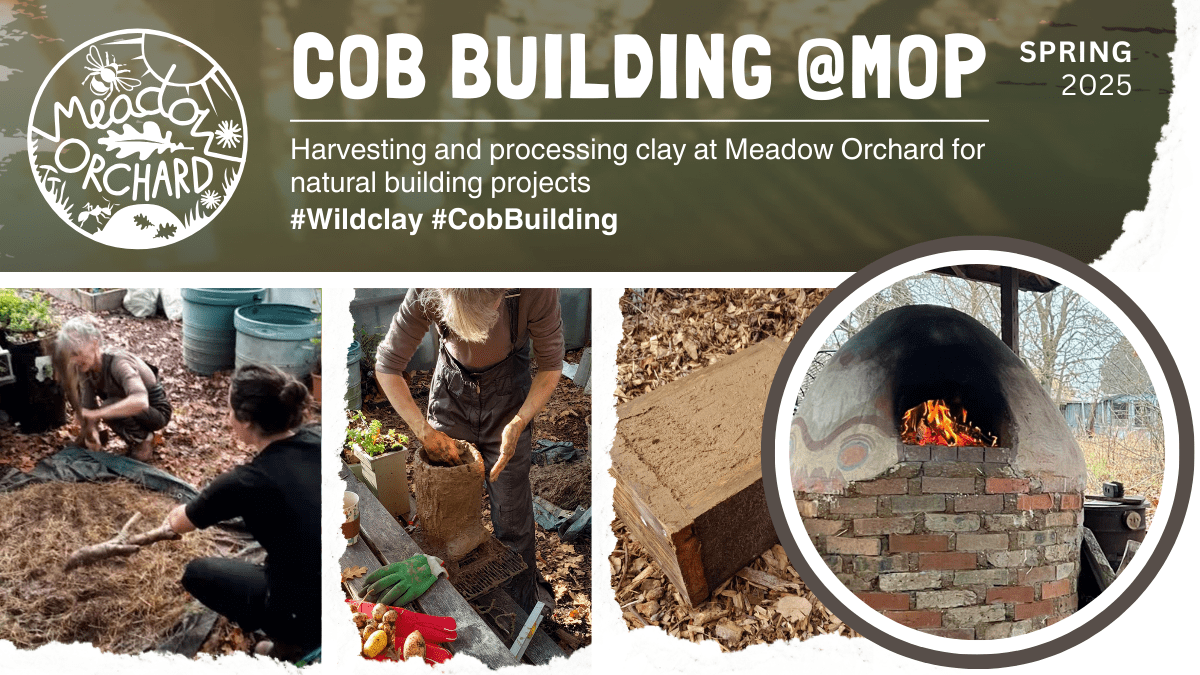
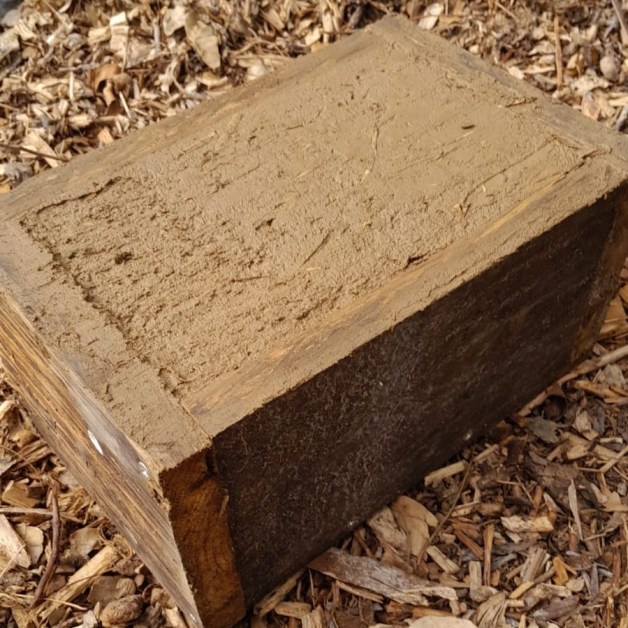
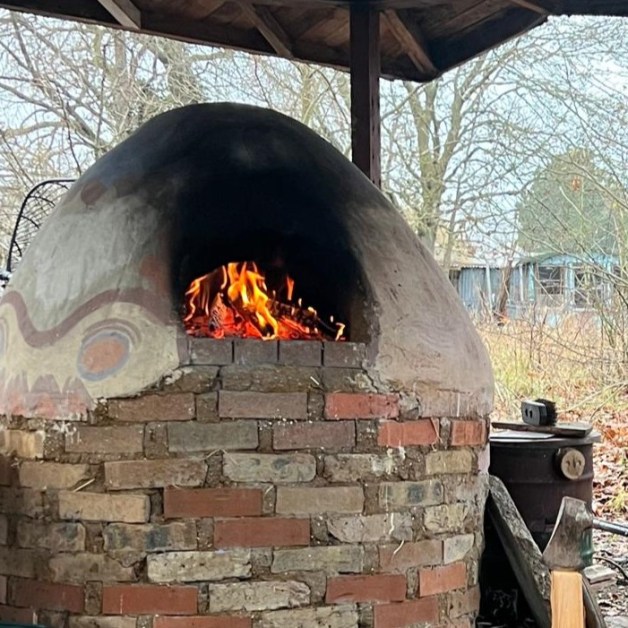
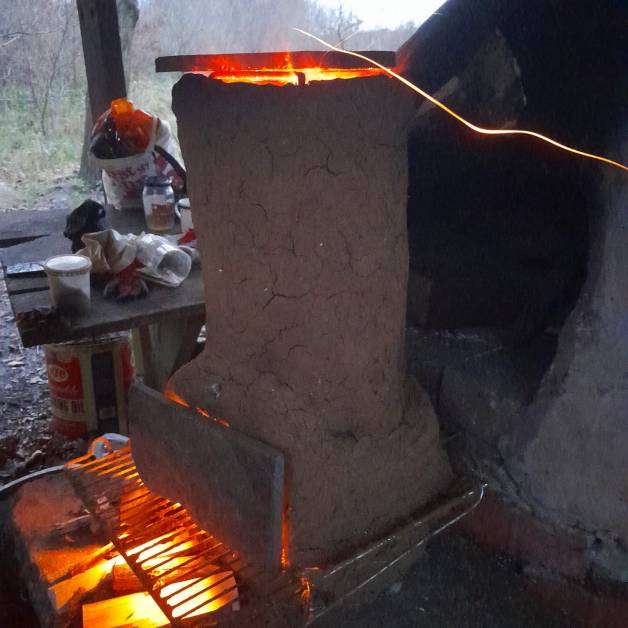
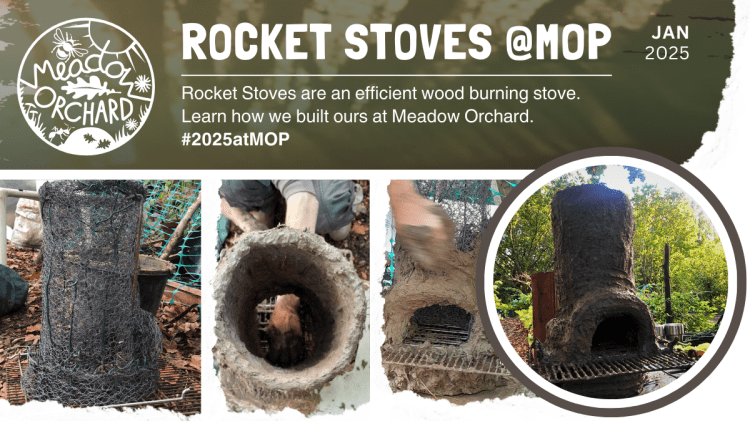
Cob is a sustainable and natural construction technique using a mix of sand, clay, straw, and water. The natural plasticity of clay is used to bind the sand together, straw adds structural fibres to stabilise and reinforce the material. Cob can be used to build walls and can be moulded into bricks, shaped by hand or sculpted with simple tools. Cob construction has been used for thousands of years and is still practiced today due to its affordability and sustainability. The south facing wall of our Roundhouse is a good example of cob building, along with our Pizza oven and rocket stove! Cob is traditionally used as a building material in areas of the country such as cornwal where the subsoils contain the ideal mix of clay and sand aggregates.
Cob as a building material
- Eco-friendly: Cob is a low-energy material, meaning it has a smaller carbon footprint compared to modern building materials, such as concrete. It also uses locally sourced resources, which reduces the need to transport heavy materials.
- Durability: When properly maintained, cob buildings can last for hundreds of years. Cob buildings need a good roof overhang to protect from rain and a good non-permeable footing to prevent moisture from eroding the material.
- Natural Forms: Cob buildings often have a unique, organic look with rounded walls and a natural appearance. Due to the malleable nature of the material it lends itself to round, flowing organic forms.
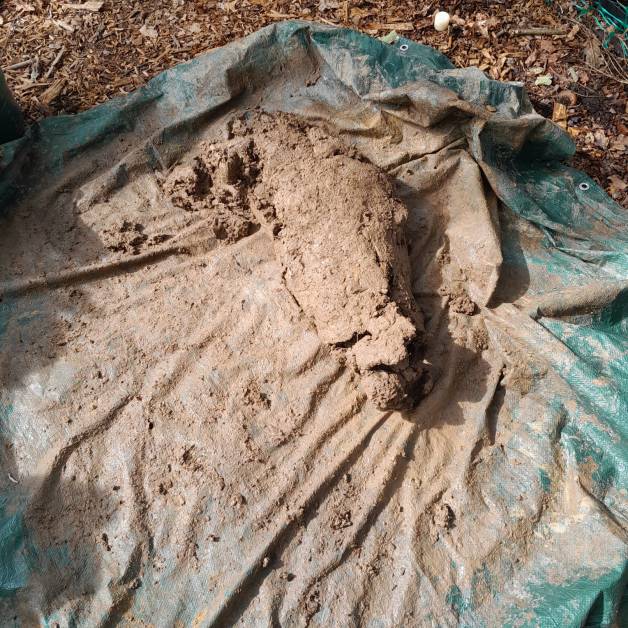
- Construction Process: For smaller builds the process often involves mixing the ingredients by hand (or feet) and then applying the cob mixture directly to the structure layer by layer. It’s mostly used for the walls, while the roof and foundation are constructed from more durable materials.


Related Content

 Meadow Orchard Project
You must be logged in to post a comment.